Planet Ljudmila
Subscriptions

- Fileneed
- Kulturnik Blog
- Ljudmila's Blog
- Ljudmila's Vimeo
- Ljudmila's YouTube
-
-
-
- Ustvarjalna gmajna - Creative Commons Slovenia
Info
June 18, 2025
June 15, 2025
June 14, 2025
June 13, 2025
June 12, 2025
June 10, 2025
June 09, 2025
June 08, 2025
June 07, 2025
June 06, 2025
June 05, 2025
February 03, 2025
Prvo desetletje programa EU Ustvarjalna Evropa
Kako uspešne so bile slovenske organizacije v 10. letih programa Ustvarjalna Evropa? V kratkem pregledu se skrivajo občudovanja vredni rezultati!
Ustvarjalna Evropa je krovni program EU za podporo kulturnim in ustvarjalnim sektorjem (KUS), za katerega je v aktualnem obdobju 2021–2027 na voljo 2,44 milijarde evrov. S proračunom, ki je bistveno (za 80 odstotkov) višji v primerjavi s prejšnjim sedemletnim obdobjem, program spodbuja kulturno in jezikovno raznolikost, evropsko dediščino ter konkurenčnost teh sektorjev. Ključni poudarek programa predstavljajo ukrepi, s pomočjo katerih se ti sektorji lažje soočajo z izzivi ter krepijo njihova prizadevanja za dvig odpornosti, hitrejšo digitalno preobrazbo, večji prispevek k varstvu okolja ter vključevanje in prizadevanje za enakost spolov.
Lani je minilo 10 let, odkar je Ustvarjalna Evropa pod eno streho združila prej ločena programa – Kultura in MEDIA za filmski in AV sektor – ter dodala še nov, medsektorski sklop, da bi spodbudila inovacije in sodelovanje med različnimi ustvarjalnimi področji. Poleg tega pa je v svoj portfelj dodala še sektor novičarskih medijev zaradi nujnosti zagotavljanja podpore neodvisnemu in pluralističnemu medijskemu okolju ter spodbujanja medijske pismenosti.
Ustvarjalna Evropa podpira umetniško in kulturno sodelovanje ter mobilnost na evropski ravni, s čimer spodbuja ustvarjanje novih evropskih del, njihovo kroženje na globalni ravni, podpira inovacije in krepi gospodarsko in socialno razsežnost evropskega kulturnega, avdiovizualnega in drugih ustvarjalnih sektorjev. Vpetost v mednarodno okolje in vzpostavljanje dolgoročnih mednarodnih partnerskih povezav je pomemben prispevek Ustvarjalne Evrope k trajnostnemu razvoju teh sektorjev – tudi v Sloveniji.
Uspehi Slovenije v številkah
Na Motovili, kjer v okviru Centra Ustvarjalna Evropa spremljamo uspehe slovenskih organizacij, ki sodelujejo v programu, se zavedamo pomena tega vodilnega instrumenta Evropske unije tudi za slovensko kulturo in film. O kakšnih uspehih govorimo?
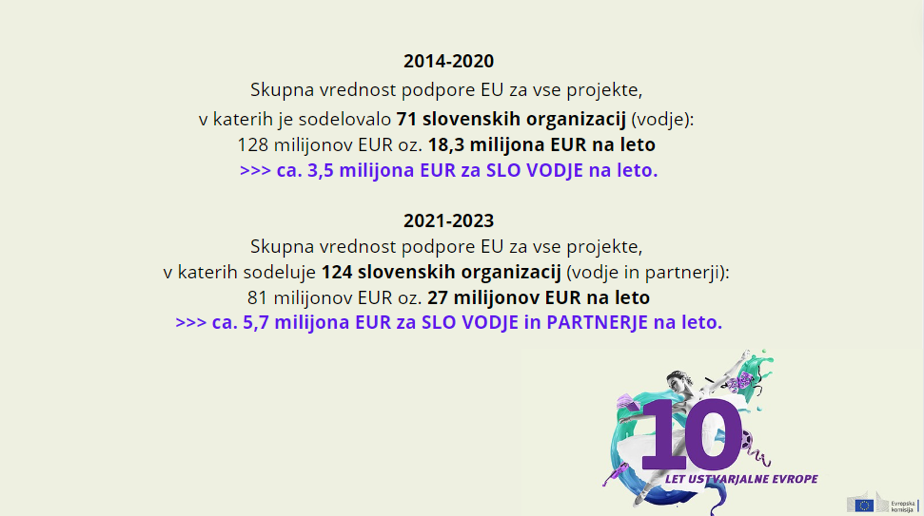
V obdobju 2014–2020 so slovenske organizacije v vlogi vodij evropskih projektov na razpisih Kultura, MEDIA in Medsektorski sklop skupaj pridobile 24,3 milijonov evrov podpore EU, kar znaša skoraj 3,5 milijona evrov letno. Zaradi načina vodenja evidence podeljenih podpor EU na strani Izvajalske agencije EACEA, ki je zadolžena za izvajanje razpisnih postopkov, žal nimamo na voljo podatkov o vrednosti podpore EU, ki so jo v tem obdobju prejele slovenske organizacije v vlogi projektnih partnerjev. Glede na vse podprte projekte s slovensko udeležbo lahko sklepamo, da je skupna višina pridobljenih sredstev EU za približno 300 projektov (kar je neverjetna številka!), v katerih sodelujejo slovenske organizacije v vlogi vodij in partnerjev, še veliko višja.
Ustvarjalna Evropa 2014–2020: 24,3 milijona evrov (tj. 3,5 milijona evrov letno) za 71 slovenskih organizacij (vodje):
- 19,4 milijona evrov za podprogram KULTURA;
- 4,5 milijona evrov za podprogram MEDIA;
- 0,4 milijona evrov za Medsektorski sklop.
Trenutno smo sredi novega 7-letnega obdobja (2021–2027) in rezultati za obdobje od 2021 do 2023 so za Slovenijo ponovno neverjetni. Samo v prvih treh letih je bilo na razpisih uspešnih 124 različnih slovenskih organizacij, ki so za 167 projektov skupaj pridobile izjemnih 17,3 milijona evrov podpore EU, kar znaša skoraj 5,8 milijona evrov letno!
Ustvarjalna Evropa 2021–2023: 17,3 milijona evrov (tj. 5,8 milijona evrov letno) za 123 slovenskih organizacij (vodje in partnerji):
- 12,3 milijona evrov za podprogram KULTURA;
- 4,1 milijona evrov za podprogram MEDIA;
- 0,9 milijona evrov za Medsektorski sklop.
Spremenjen sistem evidentiranja prejetih podpor EU v aktualnem obdobju omogoča večjo transparentnost podatkov, saj imamo na voljo natančen znesek podpore, ki jo prejme vsaka uspešna organizacija ne glede na njeno vlogo v projektu (tj. vodja ali partner v primeru, ko razpis zahteva sodelovanje mednarodnega konzorcija). Kljub pogojni primerljivosti podatkov za tekoče in predhodno programsko obdobje je jasno nakazan skok v pridobljeni podpori EU za Slovenijo na letni ravni ter rast števila uspešnih slovenskih organizacij.
Če zanemarimo spremenjen sistem evidentiranja podeljenih podpor EU, lahko čez prst rečemo, da je slovenski kulturni in ustvarjalni sektor v prvih 10 letih Ustvarjalne Evrope pridobil 41,6 milijona evrov, kar znaša dodatnih 4,2 milijona evrov letno za slovensko kulturo in film iz proračuna EU.
Uspehi Slovenije v mednarodnem kontekstu
V prvih treh letih aktualnega programa (2021–2023) so slovenske organizacije zastopane v dobri desetini (11,1 %) vseh podprtih projektov (1.501). Neverjetno uspešnost Slovenije potrjuje tudi »Poročilo o spremljanju«[1], ki ga je izdala Evropska komisija (EK, 2023) in predstavlja rezultate izvajanja Ustvarjalne Evrope v letih 2021 in 2022. Slovenija je postavljena ob bok vsem 40 evropskim državam, ki sodelujejo v Ustvarjalni Evropi.
V letih 2021 in 2022 so bila nepovratna sredstva dodeljena 3.860 organizacijam (2.146 v sklopu Kultura, 1.452 v sklopu MEDIA in 262 v medsektorskem sklopu), ki so prevzele vlogo koordinatorjev (vodij), partnerjev ali pridruženih partnerjev. Večino evropskega kulturnega in ustvarjalnega sektorja predstavljajo manjše organizacije, kar velja tudi za prejemnice podpore Ustvarjalna Evropa – tudi iz Slovenije. V podprogramu Kultura je bilo 73 % upravičencev malih organizacij (z 0-49 zaposlenimi), v podprogramu MEDIA je njihov delež še višji (89 %) in prav tako v medsektorskem sklopu (80 % malih organizacij).
V sklopu KULTURA predstavlja nadnacionalno sodelovanje jedro vseh ukrepov. V projektih se povezujejo organizacije iz različnih držav (običajno najmanj tri organizacije iz treh upravičenih držav), različnih velikosti, vrst (nevladne organizacije, javne, zasebne) in sektorjev. Na razpisih 2021 in 2022 je Slovenija s 94 organizacijami, prejemnicami podpore EU, na neverjetnem 6. mestu med 27 članicami EU, takoj za Italijo, Nemčijo, Španijo, Francijo in Belgijo!
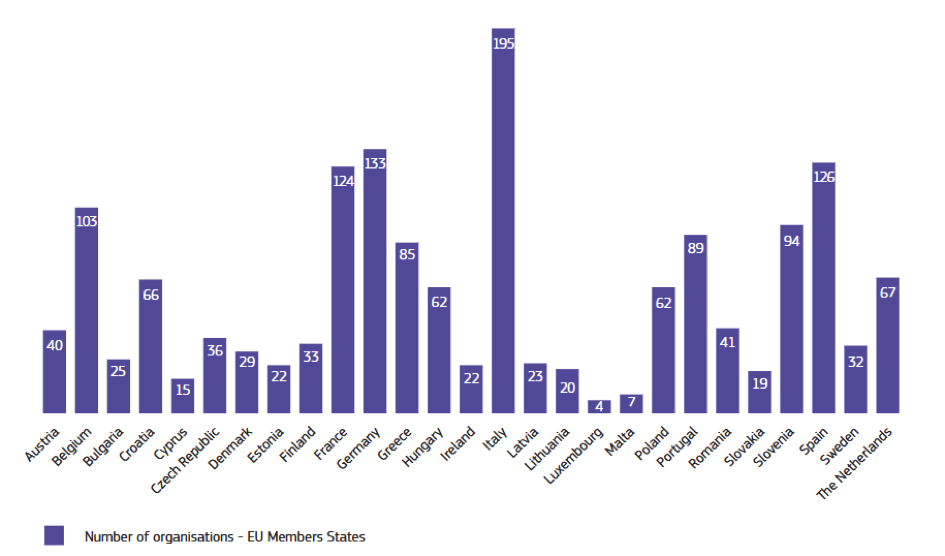
SLIKA: Število organizacij, prejemnic podpore EU, glede na izvor (države članice EU – sklop Kultura)
Mednarodna mreženja v filmskem in AV sektorju
Pomemben preboj Slovenije na področju mednarodnega povezovanja in vodenja obsežnih partnerskih projektov kažejo tudi rezultati sklopa MEDIA za leti 2021 in 2022. Ti dosežki odražajo širši trend, ki ga spodbuja Ustvarjalna Evropa, in sicer intenzivnejše sodelovanje med mednarodnimi akterji, da se dosežejo večje sinergije in strateški vpliv na razvoj evropskega AV sektorja.
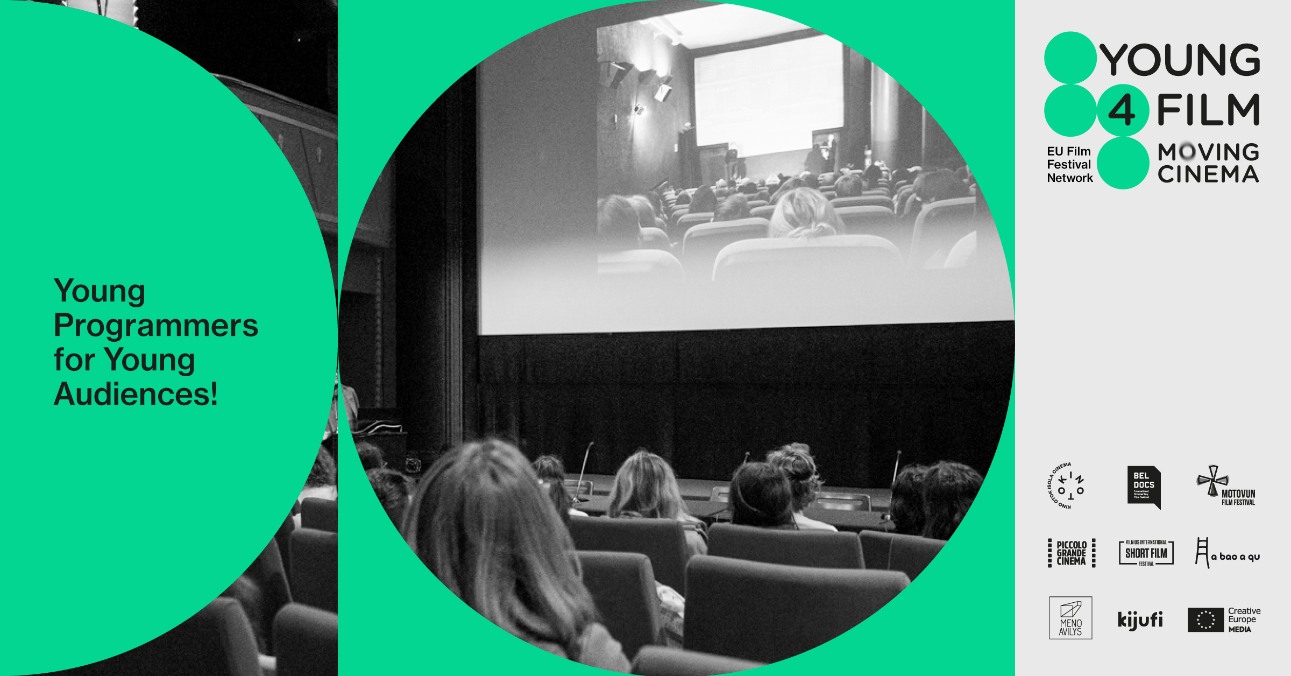
Zavod Otok s festivalom Kino Otok s podporo Ustvarjalne Evrope od leta 2022 uspešno vodi evropsko mrežo filmskih festivalov Mladi selektorji za mlado filmsko občinstvo (Young4Film), ki povezuje festivale iz Hrvaške, Italije, Litve in Srbije. V projektu mladi aktivno sooblikujejo filmske programe, kar ne le osvežuje festivalskih vsebin, temveč tudi prispeva k strateškemu razvoju in krepitvi mladega občinstva – ključnega segmenta za prihodnost filmskega sektorja.
Društvo slovenskega animiranega filma (DSAF) utrjuje svoj mednarodni ugled kot pomemben spodbujevalec zmogljivosti evropskega AV sektorja. Kot vodja programa usposabljanja CEE Animation Workshop in partner projekta CEE Animation Support Industry Programme, v sodelovanju z organizacijami iz Češke, Poljske in Slovaške, DSAF s podporo MEDIA skrbi za dvig profesionalizacije in krepitev konkurenčnosti industrije animiranega filma v Srednji in Vzhodni Evropi.

Zavod Vertigo ostaja mednarodno najbolj propulzivna slovenska neodvisna produkcijska hiša. Leta 2022 je Vertigo pridobil podporo MEDIA za razvoj kar štirih novih slovenskih filmov v okviru zahtevnega razpisa za razvoj skupine projektov, kjer so tradicionalno uspešnejši prijavitelji iz držav z večjo AV zmogljivostjo od Slovenije, poleg tega pa se je kot najbolj zaželen slovenski koproducent na mednarodnem AV trgu kot partner vključil v razvoj še štirih evropskih koprodukcij s podporo Ustvarjalne Evrope.
Evropske platforme
V sklopu Kultura je Slovenija zelo uspešna skozi vse desetletje, med večjimi uspehi pa velja izpostaviti uspehe na razpisu za Evropske platforme, ki so namenjene večji prepoznavnosti uveljavljajočih se evropskih umetnikov in razvoju njihovih karier. Ustvarjalna Evropa je v obdobju 2021-2023 sofinancirala zgolj 16 tovrstnih platform, ki povezujejo področne organizacije iz vsaj 12 različnih držav. Kar dve med njimi sta pod vodstvom slovenskih organizacij.

Fakulteta za arhitekturo Univerze v Ljubljani vodi evropsko arhitekturno platformo LINA, ki podpira mlade strokovnjake in povezuje 28 uglednih mednarodnih akterjev na področju arhitekture ter ta sektor usmerja k trajnostnim praksam.
Zavod Beletrina pa je na čelu platforme Versopolis, ki ustvarja priložnosti za nove evropske pesnike, povezuje na stotine pesnikov in pesniških združenj po vsem svetu ter pod svojim okriljem združuje že 36 mednarodnih pesniških festivalov.
Partnerske povezave
Težko si predstavljamo, kako bi slovenska kultura in film lahko ustvarila toliko mednarodnih sodelovanj in partnerstev brez podpore Ustvarjalne Evrope. Večina ukrepov spodbuja mednarodno povezovanje in slovenske organizacije so samo v obdobju 2021–2023 ustvarile neverjetnih 743 partnerskih povezav z 39 različnimi državami. Večino teh povezav so ustvarile organizacije, ki so prejele podporo za evropske projekte sodelovanja sklopa Kultura – kar 563 povezav z 38 različnimi državami, med katerimi sta najpogosteje zastopani sosedi Italija in Hrvaška z več kot 50 povezavami, sledijo Španija (45), Belgija (40) in Nemčija (36), nato Srbija in presenetljivo Grčija, obe z več kot 30 povezavami s Slovenijo, nato pa še vse ostale države, edina, ki na seznamu umanjka, je Lihtenštajn.
Pomembni dosežki Slovenije v okviru programa Ustvarjalna Evropa pričajo o njenem uspešnem vključevanju v evropske mreže in partnerstva ter okrepljeni kulturni in ustvarjalni prisotnosti v mednarodnem prostoru.
Članek je napisala Mateja Lazar, svetovalka na področju mednarodnega kulturnega sodelovanja, Zavod Motovila. Vodja CED Slovenija.
Rise & Shine je delavnica razvoja in predstavitve animiranih projektov v nastajanju, ki tekmujejo za več nagrad v okviru mreženja CEE Animation
[1] European Commission, Directorate-General for Communications Networks, Content and Technology, Creative Europe 2021-2022 : monitoring report, Publications Office of the European Union, 2023, https://data.europa.eu/doi/10.2759/561008
The post Prvo desetletje programa EU Ustvarjalna Evropa appeared first on Kulturnikov blog.
January 24, 2025
January 23, 2025
A/V2V #2: Deconstructor & TinyarVisuals vs. BubblesFractals
August 19, 2024
July 15, 2024
@flat_gaze | pogovor: Matej Mihevc, Benjamin Fele, Maks Valenčič
November 12, 2023
August 10, 2023
Poplavljena kultura
Letošnje poletje je za Slovenijo pomenilo soočanje z velikimi količinami padavin, ki so svoj vrh doživele v obliki obsežnih poplav na začetku meseca avgusta. Nevihte ter njihove posledice so bile tudi za ustanove kulturnega pomena ponekod velik udarec.
Na državni ravni je bil 4. avgusta aktiviran državni načrt zaščite in reševanja ob poplavah v sklopu katerega je imelo svoje dejavnosti predvideno tudi Ministrstvo za kulturo. Ustanovljena je bila posvetovalna skupina katere naloga je zbiranje informacij, sodelovanje s strokovnimi ekipami na terenu in pri izdelavi sanacijskega načrta.
ZVKDS (Zavod za varstvo kulturne dediščine Slovenije) je na svoji spletni strani objavil obrazec za evidentiranje škodnih dogodkov na enotah kulturne dediščine. Obenem so objavili tudi prva krajevna poročila njihovih območnih enot o nastali materialni škodi. Na podlagi preteklih izkušenj so sicer zapisali, da se nekaterih posledic ne da takoj videti, niti predvideti in da se pokažejo z zamikom, največkrat pa po prvi zimski zmrzali.
Na spletni strani Ministrstva za kultura je bila narejena podstran Poplave 2023 in kultura, kjer so bili objavljeni prvi praktični nasveti kako ravnati z razmočenim dokumentarnim in arhivskim gradivom. V Narodni in univerzitetni knjižnici pa so pripravili spletno stran z navodili kako ravnati s poplavljenimi knjigami, fotografijami in CD-ji. Ravno tovrstno gradivo je bilo v največji meri prizadeto v poplavljenih knjižnicah in arhivih, pa tudi v kleteh posameznikov in posameznic.
Fotografija: Stanje v enoti Knjižnice Domžale, Krajevni knjižnici Janeza Trdine v Mengšu. Avtorica: Barbara Zupanc / Ministrstvo za kulturo Republike Slovenije
The post Poplavljena kultura appeared first on Kulturnikov blog.
August 04, 2023
10 aktualnih slovenskih albumov za popestritev poletnih dni
Čeprav glasbena produkcija pregovorno nekoliko upočasni tempo v poletnih mesecih in je trenutno fokus predvsem na poletnih glasbenih festivalih, v zadnjih mesecih ni manjkalo kvalitetnih izdaj domačih glasbenic in glasbenikov, ki so aktivni v različnih glasbenih sferah.
Izpostavljamo 10 albumov, ki vas bodo spremljali na poletnih pohajkovanjih, dolgih sprehodih, ob lenarjenju na plaži ali večernih druženjih.

Kiki: Kriki (samozaložba, 2023)
Instrumentalno nežni in lirično pronicljivi prvenec mlade kantavtorice Kiki nas sooča z resnimi eksistencialnimi temami o odraščanju. “Z izjemno nadarjenim tekstopisjem in žametnim večglasjem spremljevalnih vokalistk nas skozi priprta vrata pripušča v svoj svet,”je za Radio Študent zapisal Marko Miočić.

Frankly: Life Encoder (Beton Records, 2023)
Druga plošča Lendavčana Franklyja predstavlja domiselno izpeljanko neklubske oziroma IDM elektronike za naslanjač v tradiciji dvojca Boards of Canada. Muzika za globoko poslušanje.
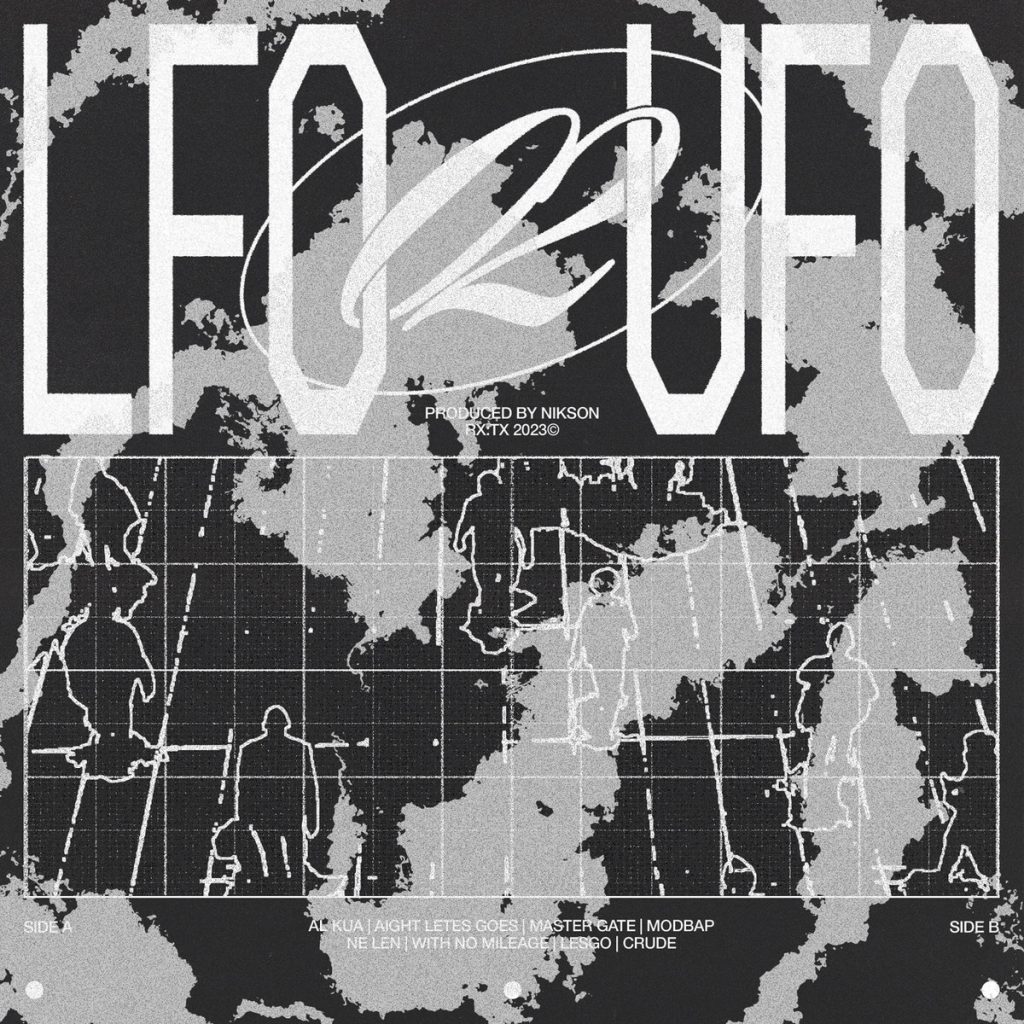
Nikson: Lfo ufo 2 (rx:tx, 2023)
Druga plošča mladega ljubljanskega producenta, ki velja za enega najbolj obetavnih predstavnikov našega hip hop podmladka, izhaja iz tradicije robnega instrumentalnega hip hopa, ki stavi na eksperimentalnost in abstrakcijo.
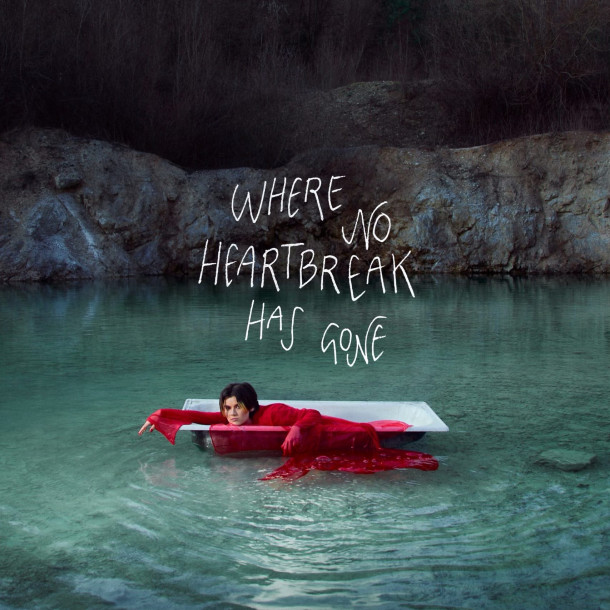
Dora Tomori: Where No Heartbreak Has Gone (samozaložba, 2023)
Čustveno nabiti prvenec rosno mlade indie rock kantavtorice predstavlja slovenski odgovor na glasbo mednarodno odmevnih izvajalk, kot so Phoebe Bridgers, Julien Baker in Lizzy McAlpine.
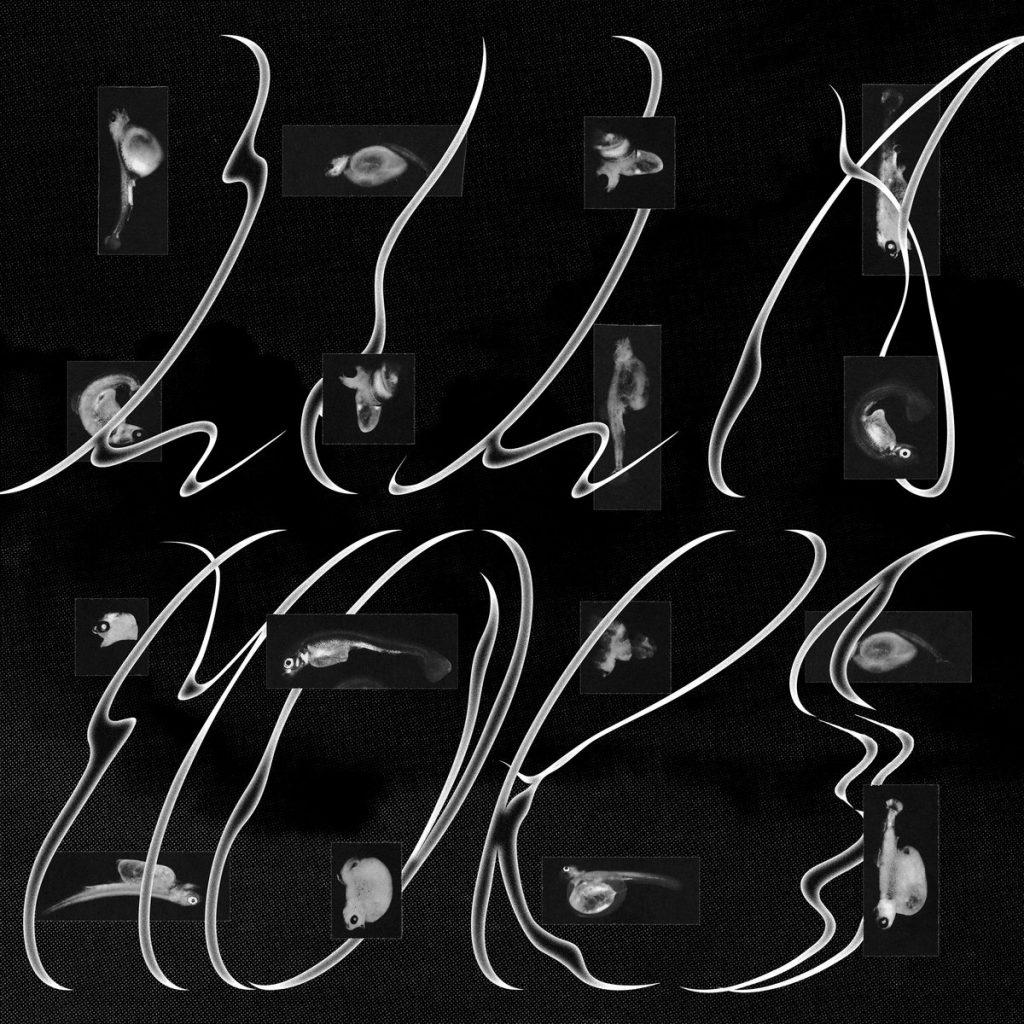
LILAMORS: When I Am Dead, My Dearest (Latenite Lounging, 2023)
Trio vokalistke Ane Čop, elektronskega producenta Jake Arha in nemškega pianista Thila Seeversa na prvencu predstavlja enkratno vizijo atmosferično naravnanega jazza in jazzovsko obarvane ambientalne elektronike. Cinematično!
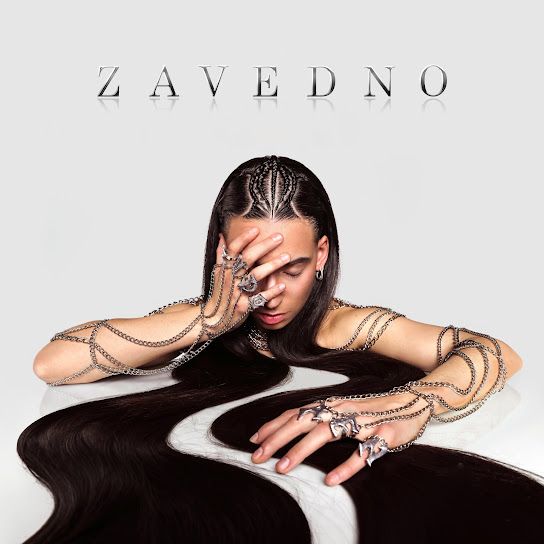
Masayah: Zavedno (samozaložba, 2023)
Prvenec ankaranske raperke je album, ki tematizira odraščanje, sprejemanje samega sebe in levitve iz mladostnice v odraslo žensko. Masayah s svojo energično muziko naslavlja vse generacije, album pa predstavlja nadvse pomembno izdajo za slovensko popularno glasbo.
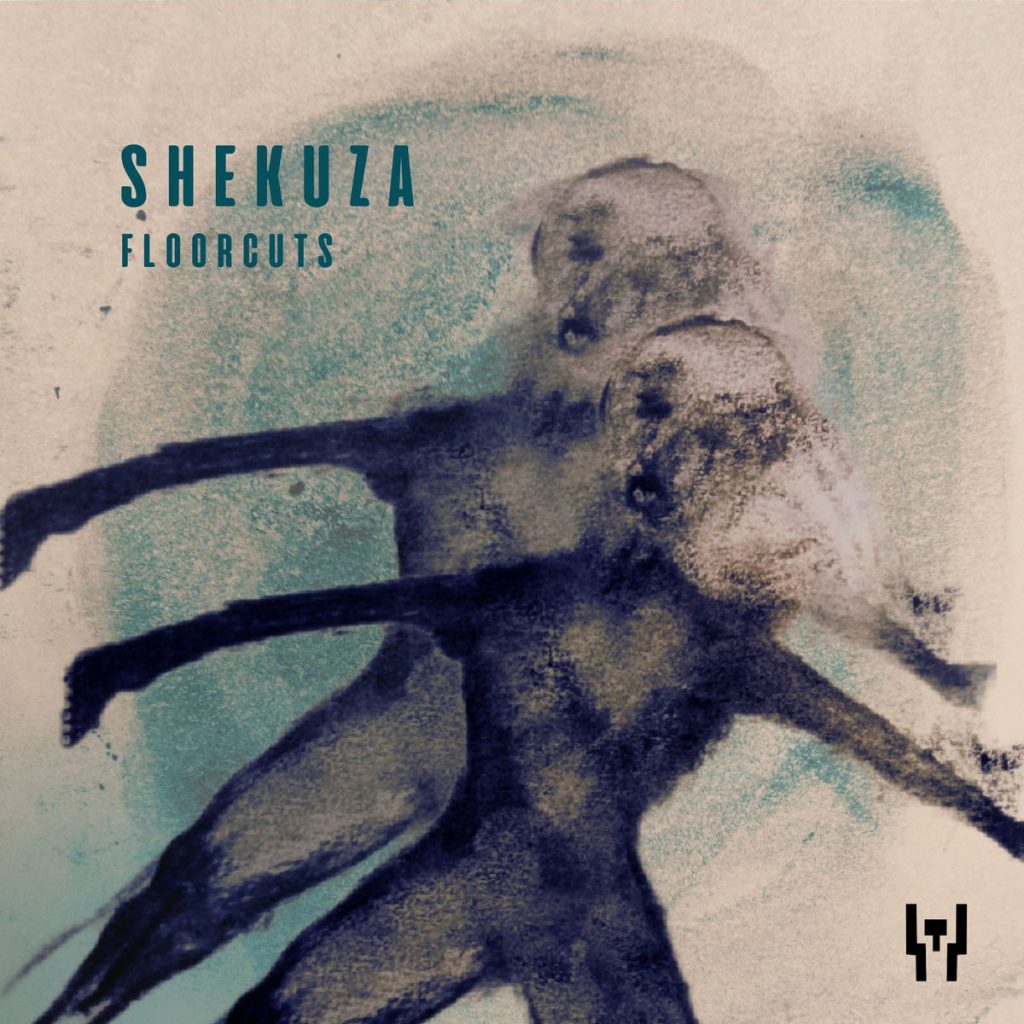
Shekuza: Floorcuts EP (Tehnopolis, 2023)
Prvovrstni techno kratkometražec domačega veterana, ki ga poznamo iz zasedbe Moveknowledgement, lahko brez dvoma postavimo ob bok sodobni techno produkciji iz Berlina in onstran.
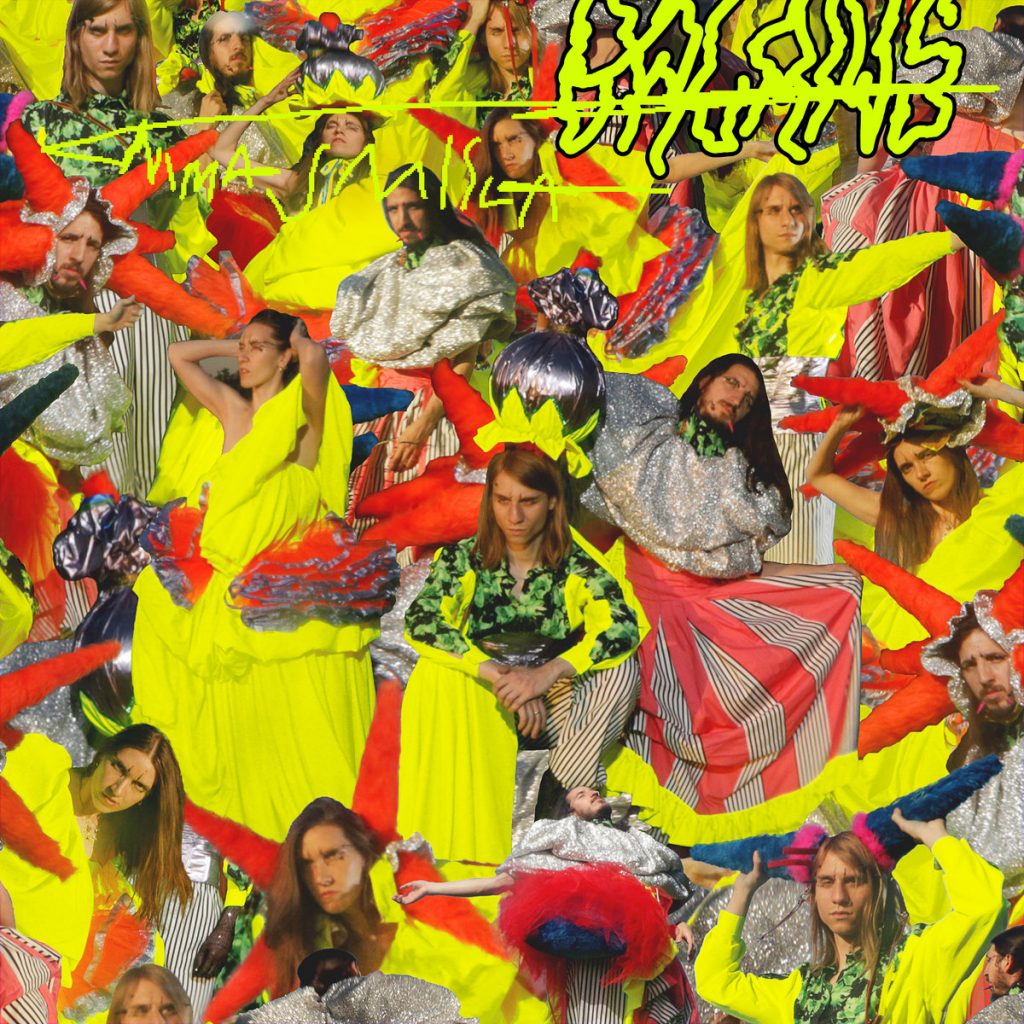
balans: nima smisla (Kapa Records, 2023)
Ljubljanski post-punk trio s ploščo nima smisla proslavlja 10. obletnico delovanja in ponovno dokazuje, zakaj tudi v širši regiji velja za enega legitimnejših naslednjikov jugoslovanskega novega vala.

Stagnat: Vague Radius (DE/FRAGMENT, 2023)
Dvojec, ki ga sestavljata Peter Kalinski in Nina Lang, na debiju za domačo založbo DE/FRAGMENT servira svojo vizijo kozmičnega techna in vas vodi na vznemirljivo medzvezdno popotovanje.
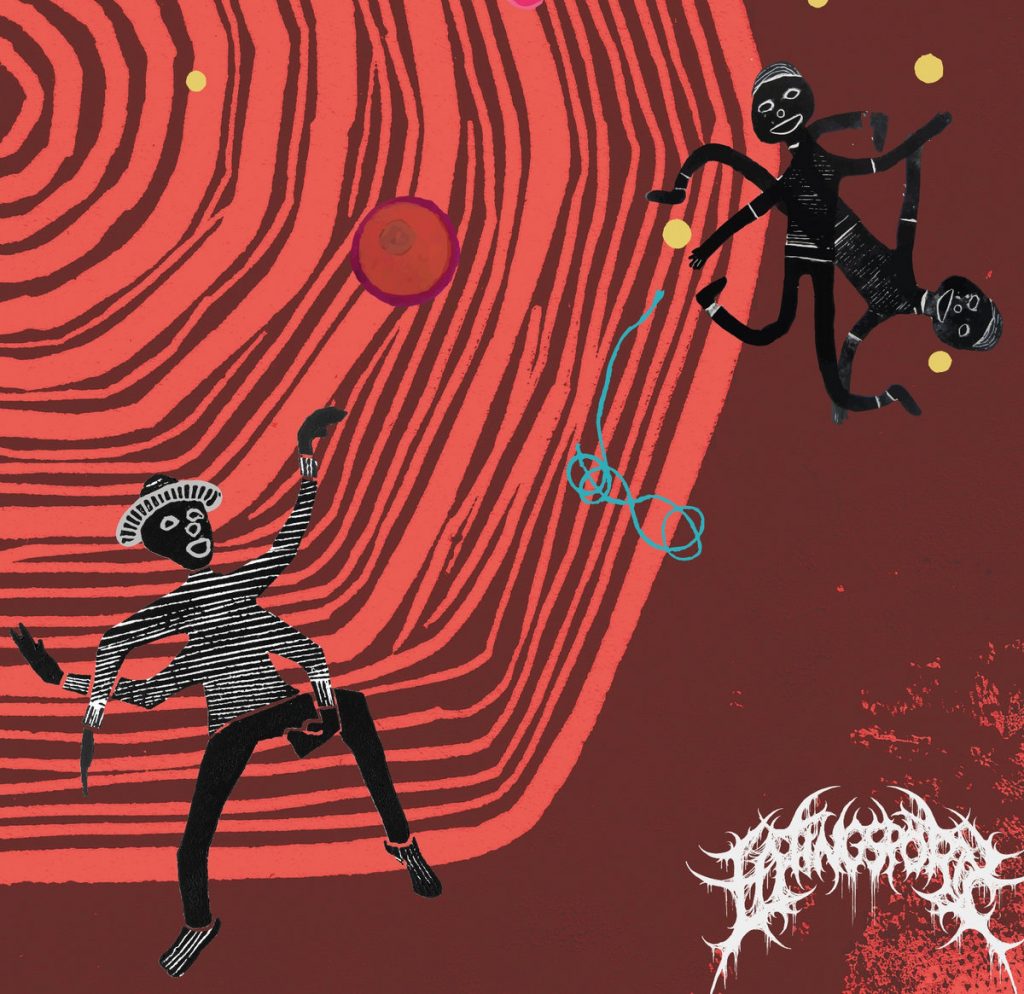
Eating Sports: Giorni sportivi (ZARŠ, 2023)
Goriški kvartet na prvencu sledi smernicam “jam” bandov 70. let, ki so izhajali iz jazz in rock izrazov, vendar z uporabo sintov in samplerjev ter vpeljevanjem brazilskih vplivov ta zvok še dodatno nadgrajuje, ustvarjajoč iskrivo glasbeno zmes.
The post 10 aktualnih slovenskih albumov za popestritev poletnih dni appeared first on Kulturnikov blog.
July 25, 2023
Kulturni centri izven slovenskih meja
O umetniških rezidencah, ki jih slovenskih umetnikom in umetnicam ponuja Ministrstvo za kulturo in aktualnem razpisu za rezidenčna bivanja v prihodnjem letu, smo na Kulturniku že pisali. Rezidence so namenjene enomesečnemu bivanju ustvarjalcev v tujem mestu. S tem se krepi mednarodna prepoznavnost slovenske kulture. Rezidenčni program se izvaja že od leta 1998, zadnje desetletje pa so ponujena rezidenčna mesta New York, London, Berlin in Dunaj.
Mednarodno promocijo slovenske kulture podpirata tudi slovenska Kulturno-informacijska centra (SKICA) na Dunaju in v Berlinu. Njuna vloga katalizatorja mednarodnih sodelovanj in predstavitev naših ustvarjalcev širšemu občinstvu vključuje organizacijo razstav, simpozijev, koncertov, predstav, filmskih projekcij in podobnih povezovalnih aktivnosti na področjih literature, glasbe, gledališča, vizualnih umetnosti, filma ter arhitekture in oblikovanja. Objavljata tudi kratke predstavitve rezidentov na Dunaju in v Berlinu.
Dunajska SKICA je bila ustanovljena leta 2011 kot prva kulturna institucija Republike Slovenije v tujini. Ideja je nastala v sodelovanju med Ministrstvom za kulturo in Zunanjim ministrstvom RS. Center na Dunaju je bil ustanovljen z vizijo postati model in predhodnik za sledeče ustanove istega tipa. Tako je bila leta 2016 po njegovem vzoru ustanovljena SKICA v Berlinu. Kulturno-informacijska centra delujeta v prostorih Veleposlaništev Republike Slovenije na Dunaju in v Berlinu. Oba sta tudi aktivna člana mreže EUNIC (European Union National Institutes for Culture).
Obe delujoči SKICI stremita k povezovanju slovenskih in tujih kulturnih institucij ter posameznih ustvarjalcev ter ustvarjalk ter vzpodbujata oblike trajnejšega in kontinuiranega sodelovanja. V sodelovanjih želita podpirati nove trende v kulturi in umetnosti ter nagovarjati aktualne globalne teme. Sta posrednici in podpornici kreativnega mišljenja in inovativnosti ter se zavzemata za medkulturni dialog. Te ideje redno podpirata z bogatim programom, ki je objavljen na njunih spletnih straneh in sega tudi izven prostorov prestolnic, kjer sta centra sicer locirana. Ker se oba nahajata v nemško govorečem prostoru, je njun letošnji programski poudarek na prihajajočem Frankfurtskem knjižnem sejmu.
Decentraliziranost je tudi sicer nadvse pomembna za širitev slovenske kulture in hvalevredna, glede na omejeno količino finančnih sredstev, s katerima operirata trenutno vodji centrov; Aljaž Arih na Dunaju in Saša Šavel Burkart v Berlinu. Oba centra sta financirana iz proračunskih sredstev. Za posamično SKICO je predvidenih 85.000 eurov programskih sredstev. Vsota sicer zadostuje za redno delovanje, a po besedah Ariha, objavljenih v članku STA, ne pokriva večjih projektov. Zanje je potrebno pridobiti dodatna sredstva Ministrstva za kulturo.
Čeprav sta se obe ustanovi pokazali kot izjemno uspešni pri izvajanju njune vizije, ki je pomembna za premišljeno promocijo ne le slovenske kulture, temveč tudi kulturne diplomacije, novega kulturnega centra v kateri izmed evropskih ali svetovnih prestolnic, zaenkrat še ni na obzorju.
Fotografija: David Visnjic, Picasa
The post Kulturni centri izven slovenskih meja appeared first on Kulturnikov blog.
July 18, 2023
Glasba ne pozna meja: čezmejni festival Glasbe sveta 2023
V teh dneh se v italijanski Gorici in Novi Gorici odvija 12. edicija pionirskega festivala Glasbe sveta/Musiche dal mondo, ki zdaj že peto leto poteka v znamenju čezmejnega sodelovanja in povezovanja.
Glasbeni festival, ki je bil prvotno zasnovan v organizaciji KUD Morgan in Goriškega muzeja kot platforma za predstavljanje raznorodnih glasbenih tradicij iz vseh koncev sveta, se je leta 2019 povezal z društvom Controtempo Jazz iz sosednje Gorice v želji, da se retorika o preseganju kulturnih in drugih meja začne odražati tudi v lokalni kulturni ponudbi. Če za festival morda še niste slišali, ga programsko lahko najlažje primerjamo z ljubljansko Drugo godbo, saj ponuja širok nabor glasb iz celega sveta. Med letošnjimi gosti denimo najdemo francoze Al-Quasar, bolgarskega klarinetista Iva Papasova, slovenski trio Širom, priznanega ameriškega kitarista Marca Ribota in številne druge izvrstne glasbenice in glasbenike.
Pomembnost festivala leži v dejstvu, da agendo GO! 2025 – Evropske prestolnice kulture 2025, enega najpomembnejših evropskih projektov na domači grudi v zadnjem desetletju, aktivno udejanja že pol desetletja. S pestro glasbeno ponudbo Gorico, Novo Gorico in širši obmejni prostor združuje v skupnost, ki si kljub jezikovnim razlikam deli skupno zgodovino in kulturo. Za preseganje različnih mentalnih, ideoloških in jezikovnih barier festival skrbi z mešanjem publik, proaktivnim gojenjem čezmejnega dialoga, umeščanjem koncertov na obe strani meje, skupnimi nastopi slovenskih, italijanskih in svetovnih glasbenih ikon ter spodbujanjem občutka pripadnosti skupnemu prostoru. Kot festivali Sajeta, Butik in Punk Rock Holiday v Tolminu ter Mladifest v Sežani v poletnih mesecih doprinaša k pestri kulturni ponudbi v severnoprimorski regiji.
Smernice, ki jih ponuja festival Glasbe sveta, lahko služijo kot navdih za podobna sodelovanja v prihodnosti. V idealnem svetu bi praksa čezmejnih koprodukcij in skupnega gojenja publik postala standard za obmejno kulturno produkcijo. Če se boste v prihodnjih dneh mudili po Goriškem, vas vabimo, da obiščete spletno stran festivala Glasbe sveta 2023 in obiščete katerega od koncertov.
Foto: Jernej Humar
The post Glasba ne pozna meja: čezmejni festival Glasbe sveta 2023 appeared first on Kulturnikov blog.
July 07, 2023
Umetniške rezidence Ministrstva za kulturo
Ministrstvo za Kulturo vsako leto objavi razpis za prijavo na mednarodne umetniške rezidence v Berlinu, Londonu, New Yorku in na Dunaju. Program, ki spodbuja mednarodno mobilnost in vidnost slovenskih umetnikov in umetnic ter umetniških skupin, je Ministrstvo za kulturo pričelo že leta 1998, ko je kulturnikom ponudilo prvo stanovanje v New Yorku. Pobudnik zanj je bil pesnik Tomaž Šalamun, ki je v New Yorku med leti 1996 in 1999 deloval kot kulturni ataše.
Čeprav New York ostaja najbolj priljubljena izmed destinacij, so se kmalu pojavile tudi druge možnosti ustvarjalnega bivanja v tujini. Berlinsko stanovanje je tako na voljo od leta 2004. Rezidenčni in kulturni program v Berlinu od leta 2016 soustvarja kulturni center Republike Slovenije Skica, ki deluje kot enota Veleposlaništva Republike Slovenije v Berlinu. Prvi slovenski kulturno informacijski center Skica je bil sicer ustanovljen na Dunaju leta 2011, kjer je leto kasneje pričela obratovati tudi najmlajša in najbližja izmed rezidenc Ministrstva za kulturo v distriktu Wieden/Margareten. London pa ustvarjalci obiskujejo od leta 2008. Tam je rezidenca povezana z Veleposlaništvom Republike Slovenije v Londonu, ki je na kulturnem področju izjemno aktivno. Sicer pa ponuja vsako mesto svojstven milje za ustvarjanje. Omeniti velja dejstvo, da se največ prijaviteljev poteguje za rezidenco v New Yorku, ki je prav zaradi tega še posebej konkurenčna, sledi Berlin, nato pa London in Dunaj.
Ministrstvo za kulturo najema in vzdržuje stanovanja v štirih mestih, ob enomesečnem bivališču pa ustvarjalcem pokrije tudi pavšalno vsoto potnih stroškov. Do sedaj je v programu sodelovalo že več kot tristo ljudi različnih profilov. Arhiv umetnic in umetnikov, producentov ali raziskovalcev, ki so bivali v rezidencah, vzdržuje spletni portal Culture.si, ki poskuša čim širše zajeti mednarodno dimenzijo slovenske kulture in umetnosti. Na portalu so ob člankih o rezidencah s kontakti tudi fotografije stanovanj.
Razpis, ki želi krepiti medkulturne izmenjave idej, znanja in praks ter mednarodno uveljavljanje slovenske kulture in umetnostim je letos namenjen ustvarjalcem s področij uprizoritvena umetnost, vizualna umetnost, arhitektura in oblikovanje, glasbena umetnost, intermedijske umetnosti, film in AV-kultura, knjiga ter kritika umetnosti ter refleksija kulture in družbe. Rezidenti so izbrani na podlagi delovnega načrta za projekt, ki ga nameravajo izvesti v času enomesečnega bivanja v rezidenci ter seveda preteklih referenc in predhodnega triletnega udejstvovanja na svojem področju. Pomemben kriterij pri izboru je tudi sodelovanje z lokalnimi organizacijami ali posamezniki v mestu bivanja.
Ministrstvo za kulturo je poudarilo, da je letos želelo razpis za rezidence v letu 2024 objaviti dovolj zgodaj, da bi prijavitelji imeli dovolj časa za vzpostavitev stikov in načrtovanje lokalno specifičnega sodelovanja. Razpis je bil objavljen v uradnem listu že 2. junija, rok za prijavo pa je 8. september.
Na fotografiji: Umetniška rezidenca Ministrstva za kulturo v Berlinu. Vir: Culture.si
The post Umetniške rezidence Ministrstva za kulturo appeared first on Kulturnikov blog.
July 06, 2023
Europeana: vznemirljivi digitalni arhiv evropske kulturne dediščine, vključno s sodobno umetnostjo
Vsi včasih naletimo na težave pri iskanju raznih vizualnih ali drugih gradiv na področju kulturne dediščine, ko pišemo svoje prispevke ali razvijamo svoje umetniške ter druge projekte. Pri tem nam je lahko v veliko pomoč evropska platforma Europeana, ki radovednežem, navdušencem nad kulturno dediščino, različnim strokovnjakom, raziskovalcem, umetnikom ali novinarjem nudi dostop do evropske digitalizirane kulturne dediščine. Cilj Europeane je navdihniti nove poglede, ponujati informacije ter spodbujati pogovore o skupni evropski zgodovini in kulturi.
Europeana nudi dostop do več kot 50 milijonov enot (od tega okrog 31 milijonov fotografij), ki jih hranijo kulturne in druge institucije iz cele Evrope. Ta bogati arhiv predstavlja umetniška dela, knjige, glasbene posnetke, video posnetke o umetnosti, tisku, arheologiji, modi, znanosti, športu ter številne druge vsebine, ki so na voljo za ponovno rabo. Učitelji lahko z njeno pomočjo zbirajo gradivo za pouk. Razvijalci lahko platformin odprtokodni aplikacijski programski vmesnik (API) uporabljajo za izdelavo video iger, ljubitelji sodobne spletne kulture pa lahko z arhivskimi gradivi ustvarjajo gife, meme ali druge zabavne vsebine.
Gradiva za platformo zagotavlja več kot 4000 evropskih ustanov, kot so arhivi, muzeji, galerije, knjižnice ali gledališča kot tudi nevladne organizacije. Europeana deluje s pomočjo mreže agregatorjev, ki od posameznih organizacij zbirajo vsebine in podatke, jih temeljito preverijo, jim dodajajo metapodatke, kot je geolokacija, in jih povezujejo z drugim gradivom in podatkovnimi zbirkami prek povezanih oseb, krajev ali tem. Agregatorji sodelujejo z ustanovami kulturne dediščine pri zbiranju verodostojnih in zanesljivih podatkov. Vsi agregatorji Europeane so člani Foruma agregatorjev Europeane (EAF), mreže nacionalnih, regionalnih, področnih in tematskih agregatorjev, ki si med drugim prizadevajo za izmenjavo znanja in najboljših praks, ki podpirajo agregiranje in izmenjavo podatkov z Europeano.
V Sloveniji je skrb za Nacionalni agregator e-vsebin s področja kulture prevzela Narodna in univerzitetna knjižnica, ki zagotavlja razvoj in vzdrževanje storitve, ki jo financira Ministrstvo za kulturo. Med partnerji, ki prispevajo metapodatke v agregator in ga na ta način izgrajujejo, so številne javne kulturne in izobraževalne ustanove, pomemben prispevek pa predstavljajo tudi zunajinstitucionalne organizacije, ki skrbijo za spletne arhive sodobne umetnosti kot so Slovenski glasbenoinformacijski center (SIGIC), portal slovenskega gledališča Sigledal.org in portal Ministrstva za kulturo za mednarodno sodelovanje Culture.si.
Da so metapodatki obsežne zbirke fotografij na portalu Culture.si urejeni in lično pripravljeni, da se lahko agregirajo na Nacionalnem agregatorju ter posledično na platformi Europeana, je poskrbela razvijalska ekipa portalov Culture.si in Kulturnik z društva Ljudmila. Tako je danes širši javnosti dostopen tudi naš prispevek k dediščini sodobne umetnosti, od arhitekture do novih medijev, od skulpture do stripa, od koncertnih plakatov pa do fotografij predstav sodobnega plesa in gledališča, na Europeani!
The post Europeana: vznemirljivi digitalni arhiv evropske kulturne dediščine, vključno s sodobno umetnostjo appeared first on Kulturnikov blog.
June 23, 2023
Cirkus v mestu!
V Ljubljani na Ambroževem trgu od 21. junija dalje stoji čisto pravi cirkuški šotor. Vse do 7. julija bo v njem prostor festivalskega dogajanja Cirkovizije, daljnosežnega, vizionarskega in povezovalnega projekta kolektivov Cirkokrog in Mismo Nismo, Zavoda Bufeto ter Gledališča Ane Monro.
Cirkus v Ljubljani je zgodovinsko gledano dobro poznan pojav. Lattermanov drevored, ki se nahaja na lokaciji današnjega parka Tivoli, je od osemdesetih let 19. stoletja pa vse tja do prve svetovne vojne, gostil mnoge potujoče cirkuške karavane ter druge sejemske zvrsti, kot so kabineti čudes, menažerije, cirkuške predstave in podobno. Staro časopisje in novice so pregledali v junijski oddaji Jutranji padec na Radiu Študent, kjer so podelili tudi nekaj prav zabavnih anekdot tistega časa – vse od zgodb o več kot sto vagonih cirkusantov, ki so v mesto prispeli naenkrat in revolucionizirali način natovarjanja prtljage, do izgubljenih slonov, ki so prišli nepovabljeni malicat v ljubljanske kuhinje.
Edina živalska eksotika letošnje Cirkovizije je sicer le veliki polž na kolesih, inovativno uporabljen bivši puhalnik sena. Šotor, ki stoji na Ambrožovem trgu, je posodil CirkoБalkana, cirkuški kolektiv iz Zagreba, ki vsakoletno organizirajo istoimenski potujoči festival. Že utečeni postavljalci iz širše balkanske regije so svoje znanje tako prenesli na lokalne cirkuške ekipe, entuziaste, profesionalke in ljubiteljice, ki si že nekaj časa prizadevajo za nakup prvega pravega cirkuškega šotora v Sloveniji. Šotor sam po sebi je v osrčju cirkuške tradicije. Ponuja mobilnost, zaradi katere se cirkuška aktivnost lahko za krajši čas vključi v vsakdan različnih skupnosti in znotraj njih ponuja ne le zabavo, temveč v današnjih časih predvsem alternativo sodobnemu življenju ter družbeno angažirano prakso.
V sklopu programa Cirkovizije, ki deluje kot festivalska platforma za druge festivale, se bodo odvili Klovnbuf, Festival trojne salte in Ana Desetnica.
Avtorica fotografije: Sava Zibler
The post Cirkus v mestu! appeared first on Kulturnikov blog.
June 20, 2023
Praznik glasbe 2023
Če ste se v minulih letih ob sprehajanju po ulicah slovenskih mest 21. junija spraševali, od kod toliko glasbenikov in pouličnih godb, je odgovor preprost. Prvi poletni dan tradicionalno prinaša celodnevno praznovanje glasbe, glasbenikov in vsega (ob)glasbenega!
11. slovenska edicija leta 1982 ustanovljene mednarodne iniciative Fête de la Musique oziroma Praznik glasbe, ki se 21. junija vsako leto odvija v več kot 120 državah in 400 mestih po vsem svetu, bo tokrat potekala v kar 13 krajih po vsej Sloveniji. Program Praznika glasbe je narejen po temeljnih smernicah mednarodnega pokrovitelja, francoske organizacije ADCEP, ki skrbi za globalno koordinacijo.
Praznik glasbe je primarno fokusiran na promocijo slovenske glasbe in njenih ustvarjalcev. V središču dogajanja je predvsem živa glasba, vendar pester program prinaša tudi številne DJ nastope, vsi dogodki pa so brezplačno dostopni obiskovalcem. V sklopu tokratne edicije se bo predstavilo več sto slovenskih glasbenikov, didžejev, vokalistov in drugih umetnikov. V sklopu celodnevnega dogajanja se bodo po slovenskih krajih predstavili tako amaterski kot profesionalni glasbeniki, ki ustvarjajo v različnih glasbenih sferah, od klasične in zborovske glasbe do popa, jazza, rocka in elektronike. Sicer pa je pomemben del festivala tudi splošno gojenje avdio kulture in zdravega odnosa med tišino ter glasbo.
Dogodek v produkciji SIGIC-a (Slovenski glasbenoinformacijski center) se bo letos odvil v Ljubljani, Novi Gorici, Celju, Dravogradu, Litiji, Tolminu, Železnikih, Portorožu, Piranu, Izoli, Kopru in Ankaranu. Festival Praznik glasbe nudi priložnost, da se glasba pojavi na nevsakdanjih javnih prizoriščih, kot so muzeji, bolnišnice in druge javne institucije, in s pestrim glasbenim programom na prostem, od ulic in parkov do igrišč in drugih javnih površin, v slovenska mesta prinaša mavrično paleto glasbene radosti.
Oglejte si program in obiščite katero izmed stoterih prizorišč, vabljeni pa tudi k branju novega prispevka o Prazniku glasbe na portalu Culture.si.
Avtor fotografije: Lovro Megušar
The post Praznik glasbe 2023 appeared first on Kulturnikov blog.
June 12, 2023
Filmi pod zvezdami, kino med krošnjami
Končno je prišel čas filmskih festivalov, ki ponujajo projekcije izven kino dvoran. Obenem lahko tekom poletnih mesecev najdemo tudi marsikatere posamične priložnosti za ogled filmov pod zvezdami. Poletje in z njim prijetno tople temperature prinašajo priložnost, da aktivnosti, ki so sicer omejene na notranje prostore, preizkušamo tudi na prostem.
Otvoritev filmskega poletja se je pretekli vikend zgodila v Izoli, na že 19. izvedbi mednarodnega filmskega festivala Kino Otok. Med 7. in 11. junijem so se zvrstile projekcije kratko in dolgometražnih filmov, tako uveljavljenih avtorjev kot novopečenih ustvarjalcev. Sveže produkcije in stare klasike, ki jih je na program umestila glavne selektorica filmskega festivala Varja Močnik, smo si lahko ogledali na večih lokacijah, a pod zvezdami se že tradicionalno nahajata dve: Letni kino Arrigoni, kjer tudi sicer ob dobrem vremenu kinematografski program izvaja Art kino Odeon Izola ter Video na plaži, kjer so na ogled kratkometražci neodvisnih vzhajajočih avtorjev in avtoric, tako iz domače kot iz mednarodne scene. Druga se vzpostavi le v času Kino Otoka ob večerih na travniku glavne mestne plaže.
V juniju se bo zgodilo še kar nekaj manjših festivalov s ponudbo kina na prostem. 19. festival filma in vina Grossman bo med 19. in 24. junijem potekal v Ormožu in v Ljutomeru. Filmi, ki si jih bo možno ogledati pod milim nebom se bodo predvajali na dvorišču ormoškega gradu.
Ob skorajda istem času bo na različnih lokacijah po Sloveniji, tako na prostem, kot v dvoranah, med 19. in 22. junijem potekal Festival migrantskega filma, ki ponuja predvsem pester nabor pronicljivih dokumentarnih filmov osredotočenih na migrantsko tematiko. V istem tednu pa se odvija tudi Kino Bled.
V bolj poznem poletju med 14. in 19. avgustom pa se bo na ploščadi MSUM v Ljubljani že desetič odvil festival kratkih filmov FeKK. Njihov poziv za kratke filme je odprt še do začetka julija. Kot smo na Kulturnikovem blogu že pisali, se bo kino na prostem, ki se dogaja na Dvorcu Visoko v sklopu Tavčarjevega leta, zaključil z gostovanjem Milene Zupančič na projekciji Cvetja v jeseni.
Kino v parku, kino brez stropa, kino nad mestom, kino pod brezami, film na ulici, drive-in kino… Vse to imena pod katerimi se bo v različnih krajih po celi Sloveniji tekom poletnih mesecev predvajal kinematografski program. Poletni kino je sicer projekt, s katerim je pričelo združenje Art kino mreža Slovenije in tako omogočilo izbore domačih in tujih filmov na prostem v dvajsetih različnih krajih po celi državi ter pomagalo pri vzpostavljanju tradicije ogledov filmov v poletnem vzdušju.
Na fotografiji: Otvoritev programa 19. mednarodnega filmskega festivala Kino Otok v Letnem kinu Arrigoni v Izoli.
The post Filmi pod zvezdami, kino med krošnjami appeared first on Kulturnikov blog.
May 31, 2023
Vodič po slovenskih poletnih glasbenih festivalih 2023
Predstavljamo kratek pregled festivalskega dogajanja, ki bo zaznamovalo prihajajoče poletne mesece!
Tolminski festivali
Na enem najlepših festivalskih prizorišč na svetu se bo tradicionalno kot prvi odvil festival Sajeta, ki bo potekal med 5. in 9. julijem. Festival elektronske plesne glasbe Butik bo tokrat trajal od 12. do 16. julija. Od 8. do 11. avgusta bodo Tolmin zaznamovali zvoki festivala Punk Rock Holiday, od 16. do 20. avgusta pa festivala OverJam. .
Popularna glasba
Med 7. in 10. junijem v mariborski Vetrinjski dvor prihaja (Z)mešani festival. 21. junija bo po številnih slovenskih mestih potekal tradicionalni Praznik glasbe. 25. junija se bo na Velenjski plaži odvil Splash Festival. V Mursko Soboto se med 20. in 29. junijem odvija festival Soboški dnevi. Na Šentviško goro se med 22. in 25. junijem vrača festival Gora rocka, v Kopru pa se bo v istem terminu odvil mladinski festival CMoKFEST. Med 23. junijem in 2. julijem bo v Kranju potekal Teden mladih. V soboto, 8. julija, bodo v Portorožu odzvanjale Melodije morja in sonca. Škofjo Loko bodo med 7. in 9. julijem prevzeli metalski zvoki festivala Črna loka, v Pivki pa bo isti vikend potekal 25. festival drugačne glasbe Trnje. Med 20. julijem in 5. avgustom se bo v Sežani odvil Mladifest. Od 14. do 16. julija bo v Laškem 58. festival Pivo in cvetje. V Škofji Loki, Kranju, Cerknem, Kamniku in Železnikih bo med 15. in 23. julijem potekal festival »In Memoriam prof. Peter Hafner«. Dogajanje v Ajdovščini bo od 21. do 23. julija zaznamoval festival ALE V PALE 2023. V Rogaški Slatini se bo med 22. junijem in 2. septembrom odvil Anin festival. Festival MetalDays se bo na novi lokaciji v Velenju odvil med 30. julijem in 2. avgustom. Ob reki Kolpi se bo med 3. in 6. avgustom zgodil Castle Kolpa Music Festival. Festival Letni oder Ruše se med 10. in 20. avgustom vrača v edinstveni naravni amfiteater v Rušah. Celjski mladinski center med 25. in 27. avgustom pripravlja Ful Fest. 26. festival mladih kultur Kunigunda bo v Velenju trajal od 25. avgusta do 2. septembra. Tudi letos pa je zadnji vikend v avgustu rezerviran za Noči v stari Ljubljani.
Jazz in glasbe sveta
Od 1. do 3. junija se v Ljubljani odvija Festival sodobne avtorske in etno glasbe Godibodi. Med 23. junijem in 1. julijem bo v Mariboru potekal Festival Lent. Od 5. do 8. julija bodo prestolnico zaznamovali zvoki festivala Jazz Ljubljana. V okviru festivala Imago Sloveniae nas 30. junija na dvorišču Ljubljanskega gradu čaka otvoritev Jazz odra. Čezmejni festival Glasbe sveta, ki povezuje Novo Gorico in Gorico, se odvija med 18. in 28. julijem. Med 27. in 30. julijem se bo okolica Gradu Snežnik prelevila v magično prizorišče festivala Plavajoči grad. V Marezige se med 7. in 8. julijem vrača MareziJazz, največji evropski festival big bandov. Teden med 14. in 19. avgustom je v Novem mestu rezerviran za festival Jazzinty. Na novi lokaciji v Medani pa se bo med 9. in 11. septembrom odvil Brda Contemporary Music Festival.
Elektronska glasba
16. in 17. junija bo metelkovske klube okupiral festival elektronske glasbe Keep in Mind. V Športni park Budanje 12. avgusta prihaja Summer Spark Festival. Med 15. in 20. avgustom se bo odvil festival psihedelične in techno glasbe Drops Festival. Ljubljanski festival elektronske glasbe, kritične misli in aktivizma Grounded bo letos potekal od 24. do 26. avgusta. V ljubljanskem Media Centru pa se bo 1. septembra zgodil HardBeats Festival.
Klasična glasba
Med 15. majem in 30. septembrom se v organizaciji Društva slovenskih skladateljev odvija festival sodobne glasbe Unicum. Od 29. junija do 10. avgusta lahko v portoroškem Avditoriju obiščete katerega izmed koncertov v sklopu 45. Piranskih glasbenih večerov. Na Bledu v organizaciji Društva Kulturni Hram med 1. in 20. julijem poteka 28. edicija Festivala Bled. 15. Mednarodni glasbeni festival Arsana se bo na Ptuju odvijal med 15. in 29. julijem. V okviru 35. Mednarodnega festivala Imago Sloveniae se bo med 14. junijem in 2. septembrom zvrstilo več kot 40 koncertov priznanih slovenskih in tujih glasbenikov, ki se bodo odvili v Ljubljani, drugih slovenskih krajih (Metliški grad, Grad Goričko, Minoritska cerkev v Mariboru itd.) in sosednjih Avstriji, Italiji ter Hrvaški. Glasbeni utrip v prestolnici bo diktiral Festival Ljubljana, ki se letos predstavlja z 71. edicijo. Tradicionalni Festival Radovljica se bo odvijal med 1. in 31. avgustom. Med 12. in 25. avgustom bo na vrsti Seviqc Brežice 2023, ki bo gostil v petih slovenskih krajih. Zaključek poletne festivalske sezone pa bo zaznamoval Festival Maribor, ki bo potekal med 14. septembrom in 1. oktobrom.
The post Vodič po slovenskih poletnih glasbenih festivalih 2023 appeared first on Kulturnikov blog.
May 26, 2023
Tinitus in varstvo sluha
24. maja je v prostorih SIGIC-a v sklopu festivala Druga godba potekala okrogla na temo varstva sluha, na kateri smo sodelovali Boštjan Simon (Zavod TINITUS, glasbenik), prof. dr. Metoda Dodič-Fikfak (direktorica Kliničnega inštituta za medicino dela), dr. Branka Geczy (specialistka ORL), Teja Pahor Moder (Zveza gluhih in naglušnih), Matej Gobec (oblikovalec zvoka) in moja malenkost.
Novoustanovljeni Zavod Tinitus, ki ga vodi Boštjan Simon, je prevzel pobudo, da se začnemo o tinitusu pogovarjati vsi, od zdravstvene in pedagoške stroke do glasbene skupnosti in političnih odločevalcev. Nenazadnje je opozarjanje na poškodbe in varstvo sluha, tako kot opozarjanje na debelost, spolno prenosljive bolezni ter razne odvisnosti, del agende javnega zdravja.
Prav o tem, bolj specifično o varovanju sluha na glasbenih prireditvah, smo debatirali z nekaterimi najvidnejšimi strokovnjakinjami in strokovnjaki na tem področju. Rdeča nit pogovora je bila potreba po promociji varnejše kulture poslušanja, iskanje možnih ukrepov za zaščito sluha pred prekomernimi zvočnimi obremenitvami na glasbenih prireditvah in nasploh ozaveščanje splošne javnosti, ki ostaja zaskrbljujoče neinformirana. Predvsem pa je bil v središču debate tinitus, strokovno poimenovanje za šumenje, piskanje, ropotanje in druge zvoke v enem ali obeh ušesih.
Kakor je v prispevku za portal Sinapsa zapisala dr. med. Manja Hribar, tinitus izhaja iz »latinske besede tinnītus, ki pomeni zvonjenje in predstavlja ‘fantomski zvok’, ki ga posameznik zaznava v ušesih (enem ali obeh) ali difuzno v glavi, v odsotnosti realnega zvoka v okolici. Z njim se vsakodnevno spopadajo milijoni ljudi po svetu in nekaterim lahko močno spremeni kvaliteto življenja«.
Tinitus predstavlja strah in trepet vsakega glasbenika, producenta, didžeja, tonskega mojstra, zvočnega inženirja, glasbenega novinarja, muzikologa, dirigenta in vseh drugih poklicev, ki si kruh služijo s sluhom. Čeprav gre za relativno pogost pojav, tako med glasbeniki in glasbenimi profesionalci kot ljudmi, ki delujejo oziroma so delali v hrupnih delovnih okoljih, ostaja tinitus, ki ga imenujejo tudi glasba možganov, še naprej precej skrivnostno zdravstveno stanje, o katerem je v splošni javnosti znanega relativno malo. Zdi se, da se je, vsaj do nedavnega, vsak posameznik s tem soočal po svojih močeh, nekateri s samoizobraževanjem, drugi z raznimi poskusi eksperimentalnih terapij, tretji z uradno medicino. Zdravila za tinitus za zdaj še ne poznamo.
Večina ljudi izkusi le kratkotrajni tinitus, študija iz leta 2022, ki je bila objavljena v znanstvenem časopisu JAMA Neurology, pa je pokazala, da ima danes kronični tinitus okoli 740 milijonov ali kar 14% svetovne populacije (v Slovenij se ta ocena giblje okoli 300.000 ljudi). Poleg tega je Svetovna zdravstvena organizacija v lanskem poročilu opozorila, da je 1,1 milijarde mladih, starih med 12 in 35 let, ogroženih zaradi okvare sluha, predvsem zaradi pretirane izpostavljenosti hrupu, od poslušanja glasne glasbe na slušalke in koncertov do športnih dogodkov, glasnih kino projekcij, uporabe pirotehničnih sredstev ipd. Doživljanje in vpliv tinitusa na kvaliteto življenja variira med posamezniki. Velika večina živi normalno, nekaterim onemogoča vsakodnevne dejavnosti, najbolj prizadeti pa se zaradi čustvenih in fizičnih obremenitev v najhujših primerih celo zatečejo k samomoru. Glavni simptomi so nespečnost, težave pri koncentraciji, učenju in delu, slabše slušno razumevanje, povišan krvni tlak, poslabšanje psihičnega stanja in povečano tveganje za pojav srčno-žilnih bolezni. Obstajajo različne vrste tinitusa, ki jih medicina v zadnjih letih aktivno preučuje, glavni vzroki zanj pa so akustične travme, poškodbe glave, eksplozije, poškodbe vratu, vnetja ušes, stres itd. Vendar stroka priznava, da smo na tem področju še v embrionalni fazi in da bo zaradi vse bolj hrupnega sveta, v katerem živimo, potrebnih še veliko študij in raziskav.
Vabljeni tudi k branju novega prispevka o Zavodu Tinitus na portalu Culture.si.
Foto: Nika Hölcl Praper
The post Tinitus in varstvo sluha appeared first on Kulturnikov blog.
May 22, 2023
Laboratorij prihodnosti
V Benetkah letos že osemnajstič poteka mednarodna arhitekturna razstava, sicer bolj poznana kot arhitekturni bienale. Slednji se v dvoletnih ciklih izmenjuje z umetnostnim bienalom, oba dogodka pa sodita pod mednarodno uveljavljen in prepoznan Beneški bienale. Razstava se je otvorila 20. maja in bo na ogled vse do 26. novembra 2023.
Letošnja tema arhitekturnega bienala je Laboratorij prihodnosti, ki jo je izbrala šele četrta kuratorka v zgodovini bienala, arhitektka, pedagoginja in pisateljica Lesley Lokko. Ob otvoritvi razstave za javnost je vedno podeljena tudi nagrada Zlati lev, ki jo je letos za življenjske dosežke prejel Demas Nwoko, nigerijski umetnik, oblikovalec in arhitekt.
Na 18. arhitekturnem bienalu se s postavitvijo na temo energetske učinkovitosti arhitekture predstavlja tudi Slovenija. Na javnem pozivu Muzeja za arhitekturo in oblikovanje sta bili izbrani skupini arhitektov mlajše generacije. V sklopu birojev Mertelj Vrabič Arhitekti in Vidic Grohar Arhitekti so v konceptualizaciji paviljonske postavitve tako sodelovali Maša Mertelj, Matic Vrabič, Eva Gusel, Anja Vidic in Jure Grohar. Projekt, ki je na ogled v glavnem razstaviščnem prostoru Arzenalu, nosi naslov +/- 1 °C: V iskanju dobro uglašene arhitekture.
Avtorice in avtorji se znotraj tematike energetske učinkovitosti stavb obračajo k preteklosti, kjer so energetske zahteve bile že vključene v samo konceptualno zasnovo arhitekture in tako od nje tudi neločljive. Delitev na energetsko učinkovite in neučinkovite stavbe, označijo kot stvar sodobnosti. Dandanes se namreč soočamo z gradnjo, ki termin energetske učinkovitosti dojema v okviru minimalnih zadostitev tehničnim pogojem, določenih z zakonodajo. Linija najmanjšega odpora pa v prihodnosti, v kateri bodo energetske krize stalnica, preprosto ne bo učinkovita, s svojim projektom poudarjajo avtorji.
Slovenski paviljon tako v okviru mednarodnega sodelovanja ter raziskovanja teme s pomočjo različnih strokovnjakov predstavlja primere sodobnih bivalnih objektov vernakularne arhitekture v Evropi. Izraz vernakularna arhitektura je sicer že ustaljen v arhitekturni stroki, vendar pa je splošni javnosti njegov točen pomen zavit v tančice nejasnosti. Projekt ga uporablja v kontekstu iskanja konceptualne spojenosti med samo arhitekturo in razmišljanjem o energetskih faktorjih obdajajočega okolja in ne kot nostalgično pogledovanje ali idealiziranje preteklosti.
K projektu je bilo povabljenih kar petdeset skupin arhitektov iz cele Evrope, ki so prispevali lokalne primere tovrstne arhitekture. Tekom trajanja bienala pa bo izšla še publikacija o projektu ter se izvedla medresorska konferenca v Ljubljani, ki bo prepletala zorne kote gospodarstva, znanosti in kulture na izbrano tematiko.
Avtor fotografije: Matjaž Mirt
The post Laboratorij prihodnosti appeared first on Kulturnikov blog.
May 12, 2023
Prikazovanje eksperimentalnih filmskih praks
Slovenska kulturna krajina je polna dogajanja, vendar pa je višek festivalske sezone s prihajajočimi toplimi meseci šele na obzorju. Po raziskavah celoletnega festivalskega dogajanja, ki jih že od leta 2012 izvaja portal Culture.si, se najbolj aktivno obdobje prične s koncem meseca maja. Čeprav kar nekaj festivalov že tradicionalno vztrajajo vsako leto ob istem času – kot sta recimo majski glasbeni festival Druga godba ali festival sodobne vizualne in novomedijske umetnosti Svetlobna gverila, pa se navkljub polnemu dogajanju, še kar pojavljajo nove pridobitve na festivalski sceni.
Ena izmed novosti je festival eksprimentalnih avdiovizualnih praks V-F-X Ljubljana, ki bo letos med 11. in 14. majem potekal šele tretjič. Nastaja v sodelovanju med Zavodom za sodobno umetnost SCCA Ljubljana in njihovim digitalnim repozitorijem novomedijskih sodobnih del DIVA ter Slovensko Kinoteko. Tudi Slovenska Kinoteka že od leta 2010 ustvarja posebne zbirke posvečene spregledani zgodovini slovenskega avantgardnega filma in je v trinajstih letih digitalizirala že prek sto enot.
Festival V-F-X je tako nastal iz potrebe po priznanju forme eksperimentalnega filma, katerega vrednost se zavedajo le redki akterji, ki upravljajo s produkcijskimi in projekcijskimi sredstvi prikazovanja AV produkcije. Vendar pa je letos festival prvič pridobil financiranje Slovenskega filmskega centra, zato se organizatorji nadejajo, da je veter morda zapihal v novo smer. Kaj ponujajo štirje festivalski dnevi posvečeni avdiovizualnim eksperimentom, si lahko preberete na spletni strani festivala.
Sicer pa se bo neodvisna filmska produkcija vrtela tudi v naslednjem tednu med 15. in 17. majem v avtonomnem prostoru Plac na Linhartovi 43 v Ljubljani. V sklopu diskurzivnega programa za 54. rojstni dan Radia Študent, redakcija za kulturo in humanistične vede pripravlja cikel Draženje očesa – tri večere “nepreglednih pregledov filmske umetnosti”. Prvi se bo posvečal kratkim eksperimentalnim filmom, drugi študentski produkciji, tretji pa se bo osredotočal na filme, katerih glavni protagonist je radio.
Naslovna fotografija: Festival V-F-X Ljubljana 2023
The post Prikazovanje eksperimentalnih filmskih praks appeared first on Kulturnikov blog.
May 08, 2023
Mednarodna glasbena gostovanja
Ob vsakodnevnem izpostavljanju domačega glasbenega dogajanja pogosto pozabljamo, da slovenska glasba redno odmeva tudi onstran domačih meja, in to ne zgolj v času trenutno aktualne Evrovizije. V mislih nimam zgolj raznih že dolgo mednarodno uveljavljenih imen, temveč tudi številne manj znane, vzhajajoče, neuveljavljene, a mednarodno vse prepoznavnejše glasbenice in glasbenike, ki svojo glasbo neutrudno predstavljajo na evropskih in svetovnih koncertnih prizoriščih. Nemalokrat so prav doma »spregledane« glasbenice in glasbeniki tisti, ki imajo v tujini tudi dvakrat ali trikrat več poslušalcev kot nekatera najbolj popularna imena na slovenski pop sceni. Tu bi posebej izpostavil mednarodno prepoznavne slam metalce Within Destruction, pop izvajalko in prejemnico nagrade Music Moves Europe July Jones in mladega predstavnika avtohtone hyperpop scene Nomarka.
Zdi se, da še naprej obstaja nekakšna dihotomija med tistimi, ki uspehe doživljajo doma, in tistimi, ki svojo kariero razvijajo s fokusom na tuje glasbene trge. Kliše, da te mora najprej priznati tujina, da te bodo opazili tudi doma, ima žal še naprej veliko težo. Prav zato je nujno opozarjati na aktivnosti slovenskih glasbenic in glasbenikov, ki so vpeti v mednarodne glasbene tokove. V zadnjih dveh mesecih smo zabeležili kar nekaj odmevnih gostovanj. V veliko pomoč pri pregledu stanja na tem področju sta arhiv mednarodnih gostovanj portala Culture.si in podstran Tours na portalu Music Slovenia, ki prinašata podatke o gostovanjih slovenskih glasbenih ustvarjalcev v tujini. Portal, ki ga upravlja SIGIC (Slovenski glasbenoinformacijski center), je namenjen predstavitvi slovenske glasbe in glasbenikov domači ter mednarodni javnosti. Njihov cilj je »vzpostavljati povezave med različnimi deležniki slovenskih glasbenih scen in spodbujati njihovo nacionalno in mednarodno sodelovanje za krepitev vidnosti in uveljavljenosti slovenske glasbe na svetovni ravni«.
V aprilu in maju so na portalu zabeležili 75 gostovanj, seveda pa to nikakor ne vključuje vseh dogodkov. Sklepamo lahko, da jih je bilo še več, in upamo, da se bo pokrivanje mednarodnih glasbenih gostovanj v prihodnosti še izboljšalo, saj so statistike na tem področju izredno uporabne za analizo stanja na domači sceni. Statistike za zadnja dva meseca ne prinašajo presenečenj, četudi se zdi nenavadno, da med destinacijami ni nekdanjih držav bivše Jugoslavije, posebej Hrvaške in Srbije. Največ koncertov je bilo v Nemčiji (30), sledijo Avstrija (11) in Švica (5), izven EU pa je bilo pričakovano največ gostovanj v Veliki Britaniji (9) in ZDA (9 dogodkov). V zadnjih dveh mesecih je v tujini gostovalo (vsaj) 21 glasbenih skupin oz. glasbenikov. Poleg znanih imen, kot so Laibach, Sašo Avsenik and his Oberkrainer, Umek, Gramatik, Jure Tori, Within Destruction in Širom, ki aktivno nastopajo po vsem svetu, je vredno izpostaviti predvsem novinke in novince.
V tujini se je nedavno mudil elektronski jazz trio Etceteral, ki je pri cenjeni ljubljanski založbi Glitterbeat lani izdal ploščo Rhizome, synthpop zasedba TORUL, ki ima močno fenovsko bazo predvsem v Nemčiji, mariborsko-kamniška DJ naveza RotorMotor, ki počasi osvaja srednjeevropska plesišča, in idrijski didžej in producent Eliaz, ki ima v tujini zvesto bazo poslušalcev. Nujno gre izpostaviti tudi slovensko-hrvaški pop soul dvojec freekind., elektroakustični slovensko-nemški trio Lilamors, black metalce Ater Era, inde rock zasedbo Lelee, stoner rockerje Omega Sun in obalne novodobne jazz muzikante Pantaloons.
Ena ključnih posledic korona krize, ki je močno vplivala na glasbeno industrijo, je občutno povečanje produkcijskih stroškov mednarodnih turnej, kar je številnim glasbenikom onemogočilo nastopanje v tujini. Prav zato bi na tem področju želeli v prihodnosti videti več podpore s strani dnevne politike, kot je to značilno za nekatere druge evropske države, denimo sosednjo Avstrijo, ki s pisarno Austrian Music Export in agencijo Music Austria aktivno doprinaša k prepoznavnosti njihove glasbene scene. Slovenska kulturna politika na tem področju še naprej zaostaja za Evropo. Jasno je, da Slovenija potrebuje glasbeno izvozno pisarno, ki bo domačim glasbenim ustvarjalkam in ustvarjalcem pomagala pri organizaciji in koordinaciji mednarodnih turnej, tako finančno kot logistično. V tujini imamo za to številne uporabne modele, ki bi jih lahko aplicirali na naš glasbeni trg. Svoj »export office« so pred kratkim nenazadnje dobili tudi Hrvati (We Move Music Croatia) in Srbi (Serbia Creates).
Foto: Kapa Records
The post Mednarodna glasbena gostovanja appeared first on Kulturnikov blog.
April 28, 2023
Register nesnovne dediščine bogatejši za sedem novih enot
Konvencija o varovanju nesnovne kulturne dediščine slednjo opredeljuje kot »nesnovne dobrine, kot so prakse, predstavitve, izrazi, znanja, veščine, in z njimi povezane premičnine in kulturni prostori (kjer se ta dediščina predstavlja ali izraža), ki jih skupnosti, skupine in včasih tudi posamezniki prenašajo iz roda v rod in jih nenehno poustvarjajo kot odziv na svoje okolje, naravo in zgodovino. S tem razvijajo občutek identitete in kontinuitete, kar podpira spoštovanje za kulturno raznovrstnost in človeško ustvarjalnost«. V Sloveniji predloge za vpis v register, ki je v domeni Ministrstva za kulturo, pripravlja Slovenski etnografski muzej na podlagi raznih pobud.
Od minulega decembra do aprila je slovenski register nesnovne kulturne dediščine pridobil sedem novih vpisov: tamburaštvo, zeliščarstvo, sušenje sadja, tradicionalno čevljarstvo, priprava koroškega rženega kruha, soriški govor in izdelovanje pripadnostnih kostumov.
Tamburaštvo
Tamburaštvo je skupinsko igranje na glasbila iz družine tamburic. Sodi med ljubiteljsko glasbeno dejavnost in ima na Slovenskem bogato zgodovino tako v ljubiteljski kulturi kakor tudi v različnih glasbenih praksah, povezanih z ljudskim izročilom. Pomemben nosilec te tradicije je Kulturno umetniško društvo Božo Račič Adlešiči.
Zeliščarstvo
Zeliščarstvo je del ljudske medicine, ki obsega podedovano in izkustveno znanje, prakse, veščine in načine nabiranja, gojenja, sušenja in hrambe zdravilnih zelišč ter znanje o njihovi predelavi v obliki receptur in načinov uporabe zeliščnih pripravkov v užitno-zdravilne in kozmetične namene. V prijavi je bilo evidentiranih 21 nosilcev te tradicije.
Sušenje sadja
Sušenje je eden najstarejših načinov trajnejšega shranjevanja sadja. Suho sadje je bilo nekdaj pomemben dodatek k prehrani, danes je sestavni del zdravih in energetsko bogatih obrokov. Sadje sušijo na zraku, v peči, sušilnicah ali sušilnikih. Nosilca te tradicije sta Društvo za ohranjanje dediščine Gradež in Družina Cukjati.
Tradicionalno čevljarstvo
Tradicionalno čevljarstvo je izdelovanje čevljev, škornjev in drugih pretežno usnjenih obuval na rokodelski način. Obsega znanje unikatnega modeliranja in pretežno ročnega izdelovanja obuval po meri ali želji naročnika. Ob enoti sta bila evidentirana nosilca Geza Kisilak in Primož Štajnar.
Priprava koroškega rženega kruha
Koroški rženi kruh je kruh, ki ga gospodinje pripravljajo po stari recepturi iz kislega testa. Še danes ima pomembno vlogo v vsakdanji in praznični prehrani na Koroškem. Kislo testo hranijo od peke do peke. Svoje znanje priprave kruha največkrat prenašajo znotraj družin iz roda v rod. Glavna nosilca te tradicije sta Društvo kmetic Mislinjske doline in Društvo kmetic Dravograd.
Soriški govor
Soriški govor je delno slovenizirano tirolsko (nemško) narečje, ki ga govorijo le še redki prebivalci zgornjega dela Selške doline, potomci tirolskih nemško govorečih priseljencev iz 13. stoletja, v Sorici, Danjah in sosednjih vaseh pod Ratitovcem v Občini Železniki. Za ohranjanje tradicije skrbi Turistično društvo Sorica.
Izdelovanje pripadnostnih kostumov
Izdelovanje pripadnostnih kostumov je izdelovanje slovesnih preoblek, ki so namenjene izkazovanju narodne, pokrajinske ali lokalne identitete. Temelji na starih načinih krojenja, šivanja in krašenja oblačil ter poznavanju posebnosti preteklih načinov oblačenja. Edina nosilka te tradicije je Andreja Stržinar. Ob enoti je bila evidentirana priznana šivilja in krojačka Andreja Stržinar.
Vir: http://www.nesnovnadediscina.si/
Fotografija: Sonja Vavken (J. Vrbinc, 2021)
The post Register nesnovne dediščine bogatejši za sedem novih enot appeared first on Kulturnikov blog.
April 17, 2023
Asociacija krepi nevladno kulturno polje
Društvo Asociacija je neformalno pričelo delovati leta 1992, v takrat sveže ustanovljeni Republiki Sloveniji. Položaj nevladnih organizacij se je s spremembo političnega sistema spremenil in vlogo sistemske podpore neodvisni kulturni sceni je bilo potrebno artikulirati na novo. Obstoj zagovorniške in servisne organizacije za samostojne ustvarjalce in ustvarjalke ter formalizirane ali neformalizirane kolektivne enote v spektru kulturnega nevladja, se je na dolgi rok pokazal kot nadvse pomemben.
Izkazalo se je namreč, da kulturna politika ne sledi enotni strategiji, temveč se rada obrača po vetru, ki piha s strani vladajoče opcije. Tovrsten nestabilen način oblikovanja kulturne politike na lokalnem, nacionalnem in širše geografsko pogojenem nivoju, se je v mnogih aspektih izkazal kot izčrpljujoč in neučinkovit. Ob nenehni menjavi kadra se nujni ukrepi za vzdrževanje trajnostnih pogojev profesionalnega delovanja akterjev na polju kulture velikokrat sprejmejo z zamudo, ali pa do njihove uresničitve sploh ne pride.
Asociacija, ki se je formalizirala pred dvajsetimi leti, tako že dolgo bdi nad ukrepi Ministrstva za kulturo ter drugih državnih organov in jih opozarja na neugodne pogoje za delo v kulturi. Na podlagi terenskih raziskav tudi svetuje kako bi se lahko lotili njihove sistemske odpravitve. Tovrstne organizacije so tudi pomemben povezovalni faktor znotraj kulturnega polja. Z izobraževanjem in združevanjem v sektorsko mrežo, ustvarjajo ozaveščene in zato tudi politično močnejše akterje v polju neodvisne kulture.
Praznovanje obletnice delovanja Asociacije bo potekalo v četrtek, 20. aprila 2023. Popoldanski, konferenčni del praznovanja, se bo odvil v sejni dvorani Zveze svobodnih sindikatov Slovenije. Po uvodnih nagovorih bo prvi del konference namenjen temi kulture in zdravja. CultureForHealth (Prizadevanja kulture za zdravje) je eden izmed aktualnih projektov Asociacije in tokratna konference bo v uvodni predstavitvi projekta s končnim poročilom in priporočili za oblikovanje politik na področju kulture in zdravja, gostila tudi Kornelio Kiss, direktorico projektov in operacij v evropski zagovorniški mreži Culture Action Europe. Predstavljene bodo tematske raziskave, študijski primeri, pilotni projekti ter primeri dobrih medresorskih povezovalnih praks, prostor pa bo tudi za refleksijo in debato. Slavljenje se bo nadaljevalo v dvorani Dijaškega doma Tabor z obsežnim govorniškim in umetniškim programom.
Avtorica ilustracije: Asja Trost
The post Asociacija krepi nevladno kulturno polje appeared first on Kulturnikov blog.
April 11, 2023
Kurja polt praznuje 10 let
Festival žanrskega filma Kurja polt, ki predvaja kulte, klasike in (med)žanrske odpadnike, letos praznuje že deseto leto obstoja. Kurja polt se osredotoča na filmsko produkcijo, ki je označena kot bizarna. To so B filmi, camp filmi, oporečniki, nekonvencionalne in nekonformistične stvaritve ter prepovedani ali pa le pozabljeni filmski biseri. Festivali, ki se posvečajo pripadnikom kanonske margine, so pomembni iz vidika njihovega preusmerjanja pogleda iz centra na rob. Minevanje časa dostikrat predrugači podobo sprejemljivega v kulturni produkciji, zato lahko sedanjost, z vztrajnim in pozornim pregledovanjem arhivov umetniških stvaritev, najde lucidne trenutke ustvarjalcev iz preteklosti, ki so bile (včasih nalašč) spregledane.
Uvod v praznično rajanje je potekal že 28. marca s prvo filmsko projekcijo Kajenje povzroča kašelj (Quentin Dupieux, Francija, 2022) in otvoritvijo fotografske razstave posvečene obletnici v Galeriji Kinodvora. Sicer pa se bo festival odvil med 17. in 23. aprilom 2023 v Slovenski kinoteki in Kinodvoru v Ljubljani. Na sporedu bo kar devetnajst filmov. Čeprav si festival tradicionalno izbere tematsko retrospektivo, bodo tokrat prikazani vsi filmi, ki so bili v zadnjih desetih letih v izborih prejšnjih festivalskih edicij izpuščeni kot izstopajoči ali celo predobri. Poleg sodobne produkcije, torej filmov narejenih v drugem desetletju 21. stoletja, bo letošnji program gostil tudi dve kultni hongkonški komediji in tri dobre stare vesterne. Spored filmov lahko vsakodnevno spremljate tudi na Kulturniku.
Kot vsako leto bodo na festivalu potekale delavnice in konferenca kultnega filma z mednarodnimi gosti. Delavnica Naredi si fanzin! pod vodstvom Nejca Bahorja že tradicionalno festivalsko izkušnjo pretvarja v papirnato fanzinsko obliko, dostopno le na zadnji dan festivala. Naježimo dlako, ostrimo pogled! je namenjena pisočim kritiškim umom, ki bodo pod mentorstvom Žige Brdnika svoje razmisleke o filmih zapisovali v obliki kratkih esejev. Polek tega bo Kurja polt letos gostila tudi del filmsko-kritiškega krožka Do zadnje besede revije Ekran.
Fotografija: Ekipa festivala Kurja polt, avtor: Domen Pal
The post Kurja polt praznuje 10 let appeared first on Kulturnikov blog.
April 03, 2023
Prejemnice in prejemniki plesnih nagrad Gibanica 2023
V teh dneh so na Bienalu slovenske sodobne plesne umetnosti Gibanica 2023 podelili nagrade strokovne žirije za najboljšo plesno predstavo, ki sta jo letos prvič prejeli dve predstavi. Žirija v sestavi Roberto Casarotto (Italija), Dries Douibi (Belgija) in Lea Loeb (Švica/Argentina) je v zahvalnem zapisu izpostavila navdušenost nad kolektivnim duhom in solidarnostjo, ki so ji bili priča na slovenski plesni, uprizoritveni in nasploh umetniški sceni. Presenečeni so bili namreč nad dejstvom, da se lahko isti glasbenik ali glasbenica pojavi v različnih predstavljenih projektih, obenem pa so izpostavili vzajemni odnos med zvokom in glasbo, ki predstavljata gonili sili za vsakega plesalca oziroma koreografa.
Odločitev za podelitev dveh nagrad so utemeljili z dejstvom, da to najbolje odraža razprave žirije, obenem pa tudi izpostavlja raznolikost umetniške produkcije na sodobnih slovenski plesni in uprizoritveni sceni. Za predstavo U.F.O.: HOMMAGE KATALIN LADIK v produkciji Zavoda Sploh sta nagrado prejeli avtorici dela Jule Flierl in Irena Z. Tomažin, ki sta žirijo navdušili z natančno dramaturgijo in unikatnim ritmom ter zaradi političnih implikacij njunega dela, ki izpostavlja moč glasu, fizičnost zvoka in filozofske premisleke o glasu, telesu in prostoru.
Drugo nagrado so za delo VSTAJENJE 2.0, ki je nastalo v koprodukciji M. K: Pekinpah in Qulenium , so prejeli Beno Novak, Elvis Homan in Boštjan Simon. V predstavi fizična in akustična telesa ustvarjajo prostor za domišljijo in čutne povezave ter slavijo gibanje, ritme in sinergijo med izvajalci. Nagrado občinstva za najboljšo predstavo Gibanica 2023 pa je prejela performerka, plesalka, koreografinja in piska Mala Kline za delo VENERA: MED UJETNIŠTVOM IN POLETOM, ki je nastalo v koprodukciji ELIAS 2069, Mercedes Klein, Španskih borcev / EN-KNAP, Kina Šiška in Nomad Dance Academy Slovenia.
Čestitke vsem zmagovalkam in zmagovalcem!
The post Prejemnice in prejemniki plesnih nagrad Gibanica 2023 appeared first on Kulturnikov blog.
March 27, 2023
V Londonu razstava slovenske umetnice Nike Autor, ki jo je sokurirala Bojana Piškur
V londonski galeriji The Mosaic Rooms, ki se specializira za sodobno kulturo iz arabskega sveta in širše, je do junija na ogled mednarodna skupinska razstava Ozvezdja mnogoterih želja (Constellations of Multiple Wishes), ki kontekstualizira prepletene polpretekle zgodovine narodov, ki so bili del gibanja neuvrščenih. Razstava, ki jo je sokurirala slovenska kuratorka in višja kustosinja v ljubljanski Moderni galeriji Bojana Piškur, združuje arhivsko gradivo, starejša in na novo naročena dela, ki povezujejo obrobne geografije ter spodbujajo k razmisleku odnosa med časom in spominom.
Na razstavi, ki vključuje deset mednarodnih umetnikov (Larry Achiampong, Khadeir Al Shakarji, Kareem Dabbah, Inji Efflatoun, Alia Farid, KURS (Miloš Miletic in Mirjana Radovanovic), Basim Magdy in Choukri Mesli), z novim naročenim filmom Sončne železnice (Sunny Railways) sodeluje tudi slovenska umetnica Nika Autor. V filmu avtorica sopostavlja dve paralelni realnosti, ki obstajata v različnih zgodovinskih časovnicah, družbenih danostih in političnih kontekstih. Najprej se fokusira na gradnjo železnice Šamac–Sarajevo, pri kateri je leta 1947 v udarniškem revolucionarnem duhu sodelovalo več tisoč udarnikov z vsega sveta, nasproti temu pa postavlja aktualno tragedijo beguncev, ki se v Evropo prebijajo po vse bolj negotovi balkanski poti.
Več informacij na spletni strani galerije Mosaic Room. Razstava je na ogled do 4. junija.
Foto: Jošt Franko
NIKA AUTOR
Nika Autor je študirala slikarstvo na Akademiji za likovno umetnost v Ljubljani. Po končanem študiju v Ljubljani je opravila doktorski študij na Akademiji za likovno umetnost na Dunaju. V svojem delu se ukvarja z raziskovanjem dokumentarnih ustvarjalnih praks s poudarkom na formi filmskega eseja, videoinstalacije in fotografije. Preučuje teme, povezane z migracijami, pravicami delavk in delavcev in politiko spomina. Njena dela so predstavili v številnih muzejih, galerijah in na festivalih doma in v tujini, zanje pa je prejela tudi številne nagrade in priznanja. Je soustanoviteljica Obzorniške fronte, kolektiva ustvarjalcev s področja filmske, vizualne in politične teorije in umetnosti. Leta 2017 je zastopala Slovenijo na 57. umetnostnem bienalu v Benetkah.
The post V Londonu razstava slovenske umetnice Nike Autor, ki jo je sokurirala Bojana Piškur appeared first on Kulturnikov blog.
February 02, 2018
Reportaža: Ali govorite CC? Ustvarjalna gmajna 2017 @ OSMO/ZA
Srečanje Ustvarjalne gmajne, gibanja za prosto kulturo v Sloveniji.
Vsebino srečanja so prispevali: Luka Frelih (LJUDMILA), Gašper Hrastelj (MIZŠ), Maja Bogataj Jančič (Inštitut za intelektualno lastnino) in Luka Prinčič (Kamizdat).
Fotografije: Goljat Katja
Organizacija: Ljudmila, Inštitut za intelektualno lastnino in Luka Prinčič
Soorganizacija: Projekt Atol in Delak
Podpora: JSKD Območna izpostava Ljubljana in Creative Commons
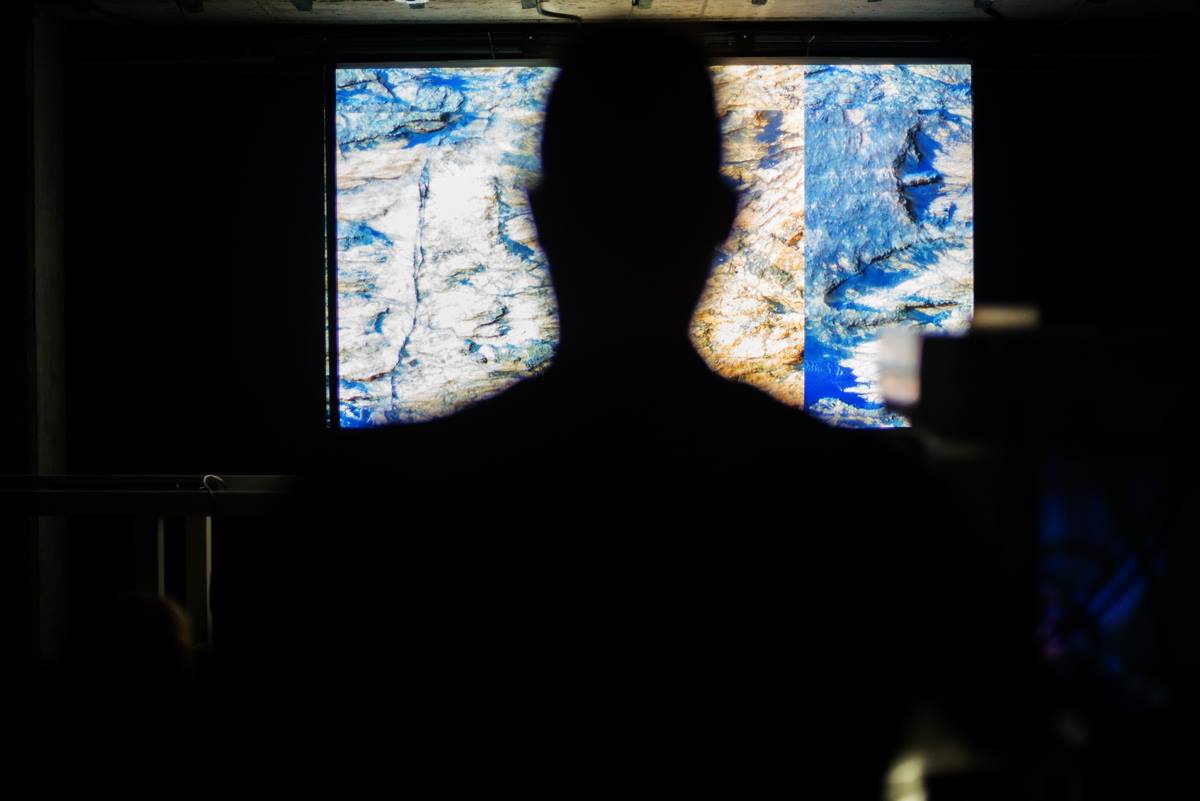 Luka Prinčič: Razpoke vmesnika V .
January 24, 2018
Strictly Analog Ljubljana #5
November 24, 2017
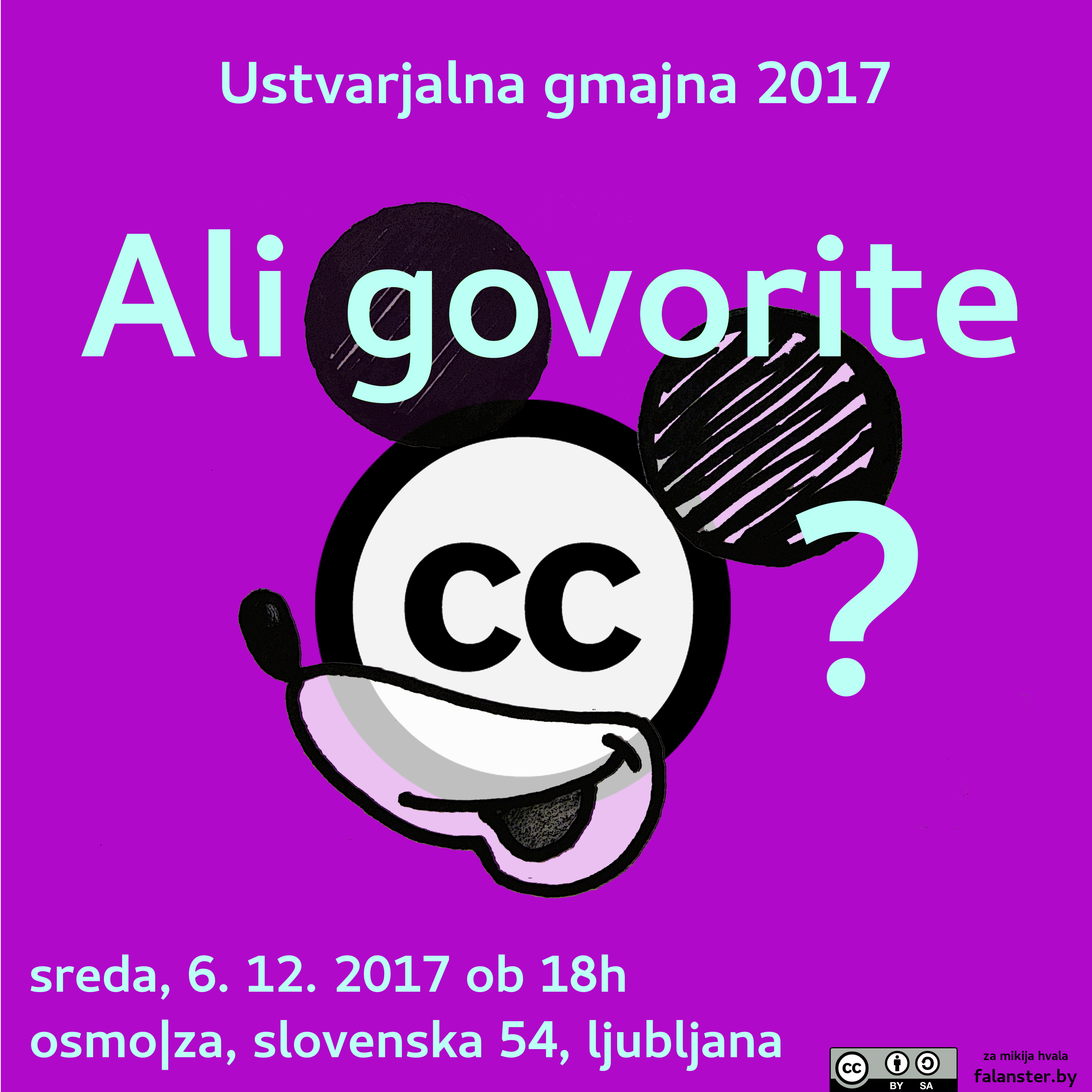
Ustvarjalna gmajna 2017: Ali govorite CC?

September 06, 2017
March 30, 2017
PIFcamp 2016
February 24, 2017
Strictly Analog Ljubljana #4
February 29, 2016
PIFcamp 2015
August 19, 2015
Strictly Analog Ljubljana #3
January 23, 2015
Strictly Analog Ljubljana #2
July 17, 2014
How to make a Theremidi Orchestra?
March 10, 2014
Strictly Analog Ljubljana
December 22, 2013
KULTURNIK.SI Promo Video
May 15, 2013
Lightening Video @Ljudmila
March 04, 2013
LjudmilaLab: RT @jgyorkos: EU sponsored event in Ljubljana on @DigitalAgendaEU and Culture. Setup of e-content WGs. http://t.co/ehpBIU9KSB
March 02, 2013
LjudmilaLab: RT @squaresolid: #DIY #DIYelectronics print & remake minimum theremin, pcb print design from @JULIAN_ABRAHM http://t.co/I4kfcIgL6S
March 01, 2013
LjudmilaLab: theoretical/practical/gender free/queer/tech/anti-normative workshop!! apply on delavnica@ljudmila.org http://t.co/TZlwnkorsj #reddawnsfest
February 28, 2013
LjudmilaLab: preparations for Red Dawns! #TheremidiOrchestra http://t.co/WssFk7hoUU @malinovc @SasaSpacal @roiiroiiro #ida http://t.co/RSuOvpE3a6
LjudmilaLab: Call for Collaborators: Interactivos?'13 Tools for a Read-Write World http://t.co/AYUuRaIlY6 @medialabprado
February 27, 2013
LjudmilaLab: RT @ovtsa: Parteeeeeeey! http://t.co/Yzg1mgDEPv #wlanslo
February 26, 2013
LjudmilaLab: RT @CultureSi: Organizatorji festivalov! Sporočite nam datume za 2013 na culture@ljudmila.org! Festivalski koledar je zaenkrat tak: http ...
LjudmilaLab: RT @wlanslovenija: wlan slovenija online shop opening invitation – Blog – wlan slovenija #cake http://t.co/AfziMADekD
February 25, 2013
LjudmilaLab: Wooohooo sunday night action at Ljudmila !! really nice :) http://t.co/b2gmp6IRAB #dancingwebsite
February 19, 2013
LjudmilaLab: Od iskanja do poizvedovanja in odkrivanja ... @ikanic v svojem članku omenja tudi naš izdelek v razvoju! http://t.co/6I2dwzhv
February 16, 2013
LjudmilaLab: Sparks Called And They Want Their Ideas Back - a joyous plagiarist's tune: http://t.co/gVOd68b8 #intellectualproperty
February 08, 2013
LjudmilaLab: RT @creativecommons: Pirate Bay documentary premieres tonight at #berlinale and online under CC. @tpb_afk http://t.co/0S4uEjFM #ccfilm
LjudmilaLab: RT @laquadrature: [en][ZDNet] After ACTA, EU kicks off 'Licences for Europe' copyright reform http://t.co/QebyC9UD
February 07, 2013
LjudmilaLab: RIP. Skicirka za SKICO na Dunaju: http://t.co/wZp2tzAU http://t.co/XMmWLZfh
LjudmilaLab: RT @intima: Slovenian Gov. reallocated the €10M subsidy initially earmarked for the art gallery http://t.co/IyH7ywze in favour of the mi ...
February 06, 2013
LjudmilaLab: Interactivos?'12 Ljubljana project Mycophone will be shown on Device_art in Prague, 9-15 February!! http://t.co/K7mkdLH8
February 05, 2013
Zbornik "Glasba in avtorska pravica" pri Studia Humanitatis
Avtorja S. Frith in L. Marshall v zborniku o avtorskih pravicah (SH, 2012, v prevodu I. Vidmarja, s spremno besedo I. Vidmarja in J. Vogrinca):
Vec na:
GEMA v Nemčiji dobiva konkurenco v obliki CC kolektivke
C3S is a collaborative effort to found a new and ground-breaking European collecting society for musical creators being build with themselves participating. C3S is intended to become a non-exclusive collective society to register musicians’ works outside of traditional schemes, released under Creative Commons non-commercial licences, but monetised in commercial use. More than that, C3S will offer registering works for commercial purpose released under other free licences as well, including those works released under no explicitly defined licences.
More:
January 29, 2013
LjudmilaLab: RT @DomaceRaziskave: Ste že prebrali prvo slovensko negativno utopijo? Anton Mahnič: Indija Komandija (1884) http://t.co/J23LTTBD
January 27, 2013
LjudmilaLab: RT @timsoos: V digitalni svet stopiclja tudi @knjiznicaNUK: letos bodo v arhiviranje vključili tudi tvite. Pohvalno! via @DELO_TW http:/ ...
January 24, 2013
LjudmilaLab: V torek 29. januarja začnemo z dvomesečnim Blender 3D tečajem! Na delavnici je še nekaj prostih mest! http://t.co/as68sraB See you!
LjudmilaLab: RT @DomaceRaziskave: Slovenija nima kulturnih centrov po vzoru ex-kolonialnih evangelizatorjev, ima pa SKICO! Podpiši izjavo proti ukini ...
January 22, 2013
LjudmilaLab: RT @hruske: Urad za intelektualno lastnino bi rad spisal nacionalno strategijo razvoja intelektualne lastnine (brez vašega mnenja) https ...
LjudmilaLab: RT @hackteria: #HackteriaLab 2013 Bangalore → coming soon http://t.co/MZUP1pIp
LjudmilaLab: RT @hackteria: HackteriaLab 2013 Bagalore → coming soon http://t.co/MZUP1pIp
January 17, 2013
LjudmilaLab: RT @DomaceRaziskave: TRDA DEJSTVA, dokumentarne risbe z razstave na @LjudmilaLab. Riše: @RaccoonDude. http://t.co/WnwUHvI3 http://t.co/ ...
January 15, 2013
Slo-Tech portal: vse od čipa do avtorskih pravic
Največji slovenski računalniški portal, že od leta 1999:
10. obletnica CC - vse najboljše!
Med 7. in 16. decembrom 2012 je potekalo praznovanje ob 10. obletnici Creative Commons, zabava še traja:
January 12, 2013
LjudmilaLab: RT @MajdaSirca: zarote, maščevanje,moč, slast, oblast, eros, biti-ne biti, preživeti,zblazneti, umakniti, zatreti...danes tudi v Drami. ...
January 06, 2013
LjudmilaLab: RT @had: 40 Technology Predictions For The Next 150 Years [Infographic] http://t.co/GcgXzTr2
LjudmilaLab: RT @slavko321: The future is here:DD #robots #music #realisticheadnodding http://t.co/JMJWAlBE
LjudmilaLab: RT @antirender: RT @lifepatch_: Dusjagr memperkenalkan sebuah mikrokontroler berukuran USB sederhana. http://t.co/nzrChV5d
LjudmilaLab: RT @SpletnaMladina: Na protestih po vsej državi prostovoljno in samoiniciativno sodelujejo tudi glasbeniki. http://t.co/T18L2D93
January 05, 2013
LjudmilaLab: #humalga Symposium, 8., 9. and 10. of January 2013 https://t.co/fjzMGRye http://t.co/ERN5525V
January 04, 2013
LjudmilaLab: Humalga simpozij / 8, 9 in 10 januar /vabljeni! http://t.co/Z4vta2xT
January 02, 2013
LjudmilaLab: RT @cyberwanderlust: Još jedan dan! Sad je January 03, 2013 at 12:01AM !
January 01, 2013
LjudmilaLab: RT @Mister_Robotics: The scientific method http://t.co/owPhd6LG
LjudmilaLab: .-!!♥!!-.we wish you a happy 2013, awesome 3D prints & great PCB boards and a theremin vibe always in the background https://t.co/ZJcIP5dM
December 27, 2012
LjudmilaLab: RT @wlanslovenija: Hackaton is on! @LjudmilaLab
December 25, 2012
LjudmilaLab: 26 Dec - 6pm - epic event - Orbital Academy at Ksevt Vitanje. 120th anniversary - pioneer of cosmonautics Herman Potočnik Noordung.
LjudmilaLab: from 26 till 30 December @wlanslovenija Hackaton 2012 at @LjudmilaLab http://t.co/sP50aqyV
LjudmilaLab: RT @wlanslovenija: wlan slovenija hackaton 2012 – Blog – wlan slovenija http://t.co/wmVMTcIH
December 22, 2012
LjudmilaLab: RT @rtvslo: Povorka se je ustavila pred podhodom do Kongresnega trga, kjer prepevajo skupaj s clani Terrafolka T.H. #protestival
LjudmilaLab: RT @madpixel: Od ljudstva ločeni z ograjo, pijani od oblasti slavijo samostojnost in enotnost. Pre drzno.
LjudmilaLab: RT @siliconia: Danasnji doodle na Google.si je posvecen Hermanu Potocniku Noordungu (via @dplaninc: / @miharejc )
LjudmilaLab: RT @DELO_TW: 500 glava množica glasno izžvižgala politike, ki odhajajo na državno proslavo v CD. "Janša v zapor" http://t.co/UY2ef1pE
LjudmilaLab: RT @opica: super! RT @AndrejRavnikar: Pojemo in se druzimo. #ljprotest http://t.co/ARMPlCSB
LjudmilaLab: RT @ZoranPavlovicLj: "@LJ_Taksist: Zombije peljam u pola tarife."
LjudmilaLab: RT @Dnevnik_si: Vuk Ćosić: SDS se na tviterju obnaša kot nekakšen trol in škoduje kvaliteti javnega dialoga | Dnevnik.si http://t.co/aPS ...
LjudmilaLab: RT @radiostudent: ob 18h naprej poročanja in javljanja iz dogajanja v centru mesta. stay tuned ... http://t.co/m91hO1ao
LjudmilaLab: @Dnevnik_si a bo stream? Bi lahko podelili link?
LjudmilaLab: RT @dusano: Dr. France Bučar: "Ustavno sodišče, kot najvišji varuh ustavnosti, je delovalo protiustavno. To je grozljivo!" http://t.co/d ...
LjudmilaLab: RT @had: Iskanje levičarskih ekstremistov | MLADINA.si - http://t.co/qGfoIrBM - resnica o molotovkah in granitnih kockah.. #picke
LjudmilaLab: @wwwh bilo je odlično!! Še kdaj ponovimo :)
LjudmilaLab: RT @rmaticc: tolkala, zvonci, pihala, godala, trobila - nasploh vsa glasbila, vabljeni-a-e! #slovenija #gotofje #protestival RT! http:/ ...
LjudmilaLab: Zombies UNITE! #protestival today - 6 pm - Cankarjevi dom! Parallel to the celebration of IIndependence and Unity Day! http://t.co/Zxy0JJRV
December 20, 2012
LjudmilaLab: RT @tozd: http://t.co/MWogp2Zf
December 19, 2012
LjudmilaLab: Ob 19h v @Kiberpipa: Zoran Obradović predstavlja metaiskalnik po slovenski kulturi, pridite! https://t.co/PzasWS92
December 17, 2012
LjudmilaLab: RT @DomaceRaziskave: Osma revolucionarna zahteva dadaistov: "Vzpostavitev 150 cirkusov za prosvetlitev proletariata." http://t.co/2uncSF ...
December 12, 2012
LjudmilaLab: In 15 minutes listen to interview with Luka Frelih from @LjudmilaLab on Radio Val 202 about Raspberry Pi - tune in!!! http://t.co/m1hXjYr0
LjudmilaLab: Danes ob 16:45 bo na @Val202 intervju z Luko Frelihom o @Raspberry_Pi.
December 11, 2012
LjudmilaLab: RT @DomaceRaziskave: Trdi torek, javna dejstva! Vabljeni ob 20h na @LjudmilaLab: http://t.co/J46Lmz7A http://t.co/FcHuur0I
December 10, 2012
LjudmilaLab: RT @DomaceRaziskave: TRDA DEJSTVA: Vse o granitni kocki, novem simbolu upora in prispodobi krize parlamentarne demokracije! http://t.co/ ...
November 29, 2012
LjudmilaLab: RT @marcell: "When everyone is librarian, library is everywhere." http://t.co/fcsErVq4
LjudmilaLab: RT @supperman: Tiskovka ob Dear Art v MSUM: najprej minuta molka za Maxa. No dry eye in the house. Velika stvar v teh ciničnih časih.
LjudmilaLab: RT @lowk3y: feel like reading? hacking your kindle dev? want new ebook? visit #haip at #cyberpipe, meet hackers there @marcell @gandalfa ...
November 28, 2012
LjudmilaLab: RT @cyberpipe: #HAIP 2012 festival starting today! Get your free ebooks at http://t.co/ffKSsJK5 in #cyberpipe
LjudmilaLab: RT @novadeviator: in new public library (which we can develop NOW) the book should never leave the catalogue! @marcell #haip #kiberpipa ...
LjudmilaLab: RT @supperman: Here's great Sean Dockray explaining http://t.co/7L52ZOJL at #haip2012 http://t.co/kAeSmzN4 http://t.co/OMMe5rtT
November 18, 2012
LjudmilaLab: RT @GEMSInitiative: Hackerspace for mothers! So many different people, so many different kinds of ways to create supportive communities! ...
November 17, 2012
LjudmilaLab: RT @gandalfar: A hacketeria designed (cheap) arduino, built with help from Marc #kiberpipa Wheee! http://t.co/ehjA986D
LjudmilaLab: RT @razvezani: Trda dejstva z Društvom za domače raziskave: pridite, bomo skupaj kaj ušpičili! 4x torek na @LjudmilaLab http://t.co/vS5w ...
November 15, 2012
LjudmilaLab: RT @Info_Activism: The Yes Men Are Revolting new film and action at kickstarter - get you part in it! http://t.co/X5MjQ0oQ support @they ...
November 08, 2012
LjudmilaLab: ABeCe o CeCe danes ob 19 uri na Ljudmili http://t.co/pR93RUVV, Dare Pejič in Nataša Muševič-Dot o pomenu avtorskega prava v digitalni dobi
LjudmilaLab: TODAY at 7 pm @ LJUDMILA: Creative Commons Slovenia: ABC about CC with Dare Pejić and Natasha Dot Musevic http://t.co/pR93RUVV #CC
November 06, 2012
Creative Commons Slovenije: ABeCe o CeCe, Ljudmila, četrtek 8. november ob 19h
Izobraževalnica:
Na novo pridružena sila Ustvarjalne gmajne, Nataša Muševič – Dot (readwritemusic, Ljudmila) in Dare Pejić (Ljudmila), bo predstavila pomen avtorskega prava v digitalni dobi, njegovo umestitev znotraj intelektualne lastnine ter obstoječe Creative Commons licence.
Na dogodku bomo gostili tudi predstavnika na novo ustanovljene Piratske stranke Slovenije. Izobraževalnica je namenjena vsem radovednežem, predvsem pa avtorjem, umetnikom in delavcem v ustvarjalnih industrijah, ki se s težavami in (ne)poznavanjem lastnih avtorskih pravic soočajo na vsakem koraku.
Razprava o spremembah Zakona o avtorski in sorodnih pravicah se nadaljuje!
Posredujemo novico Ministrstva za gospodarski razvoj in tehnologijo:
“Državni sekretar mag. Uroš Rožič je 5. 11. 2012 gostil sestanek strokovne javnosti, del katere so avtorji, kolektive organizacije in uporabniki, na temo sprememb Zakona o avtorski in sorodnih pravicah.
Glede na povratne informacije in izražene interese strokovne javnosti po večji vpletenosti v spremembe zakona se je državni sekretar odločil nadaljevati razpravo v manjših skupinah. V skladu s tem je najavil serijo sestankov, in sicer:
- v petek, 9. 11. 2012, ob 10. uri z uporabniki avtorskih del,